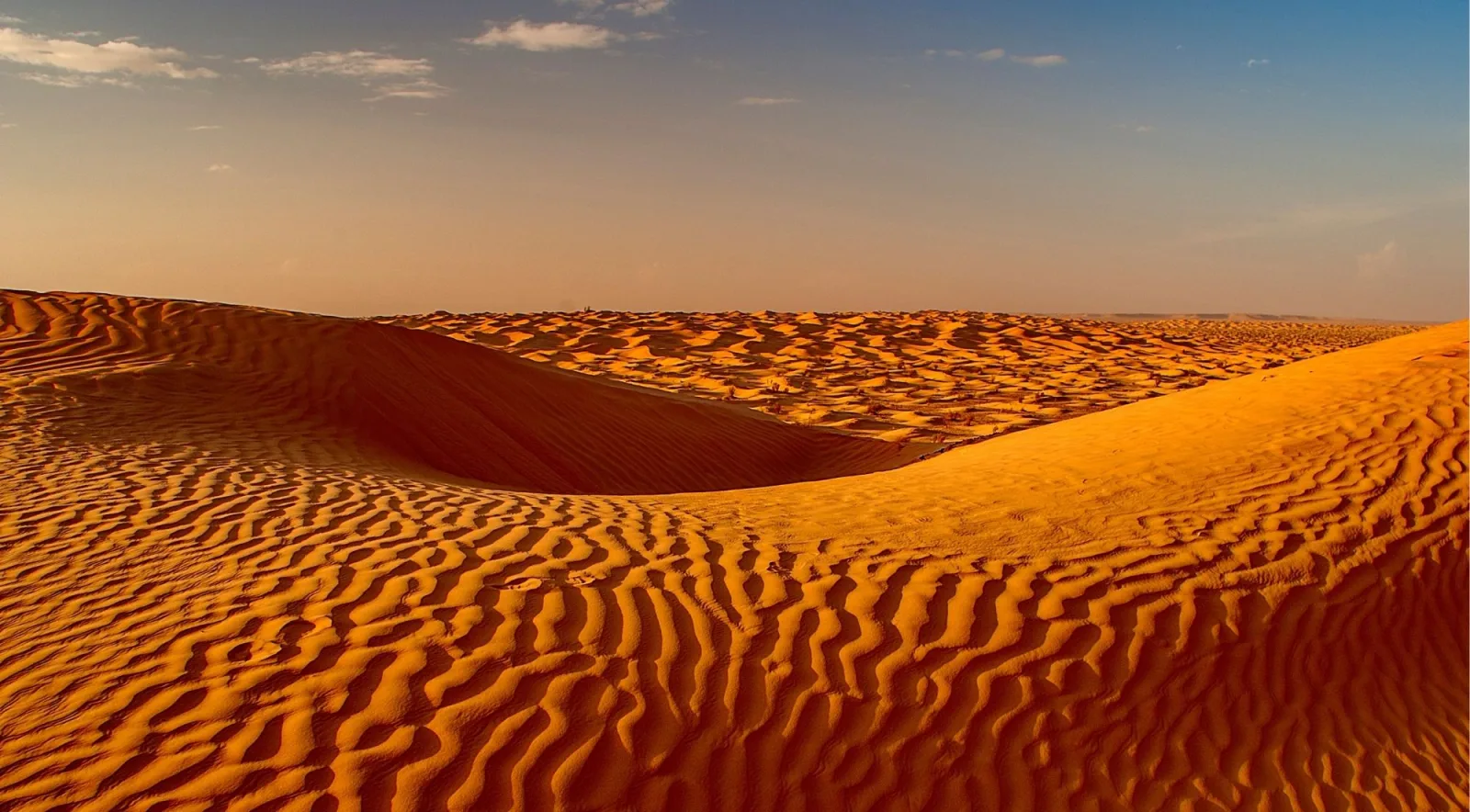
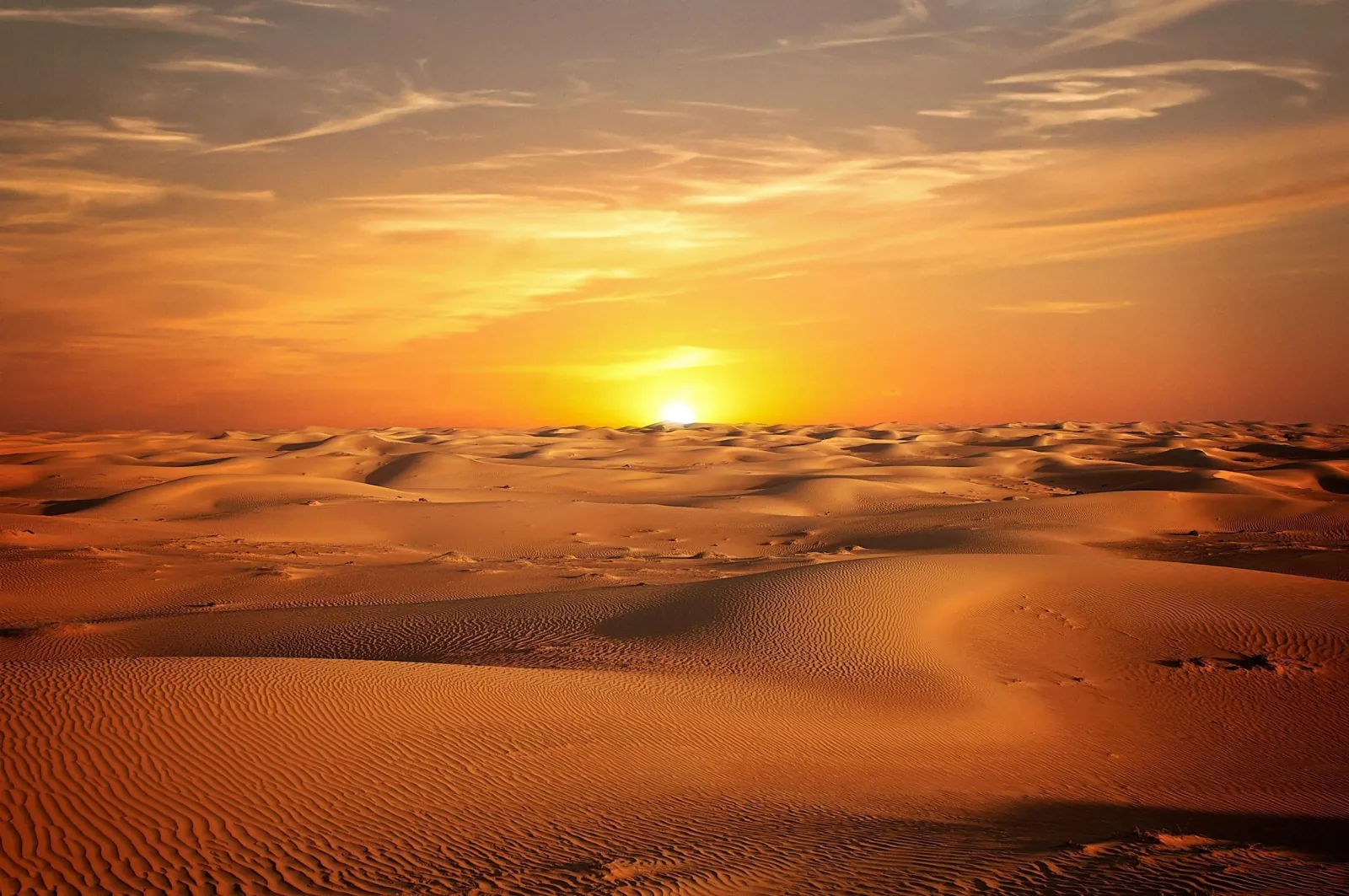
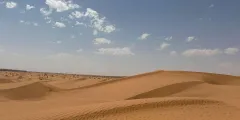
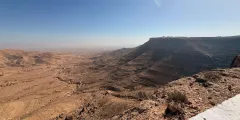
Tunisia is the easiest Sahara in the world to reach. The dunes begin roughly four hours
from a beach hotel in Djerba and about seven from one in Hammamet, which is why almost
every desert trip sold here starts with a minibus pulling up outside your lobby before
dawn rather than with a flight to a remote airstrip. The country is small, the roads
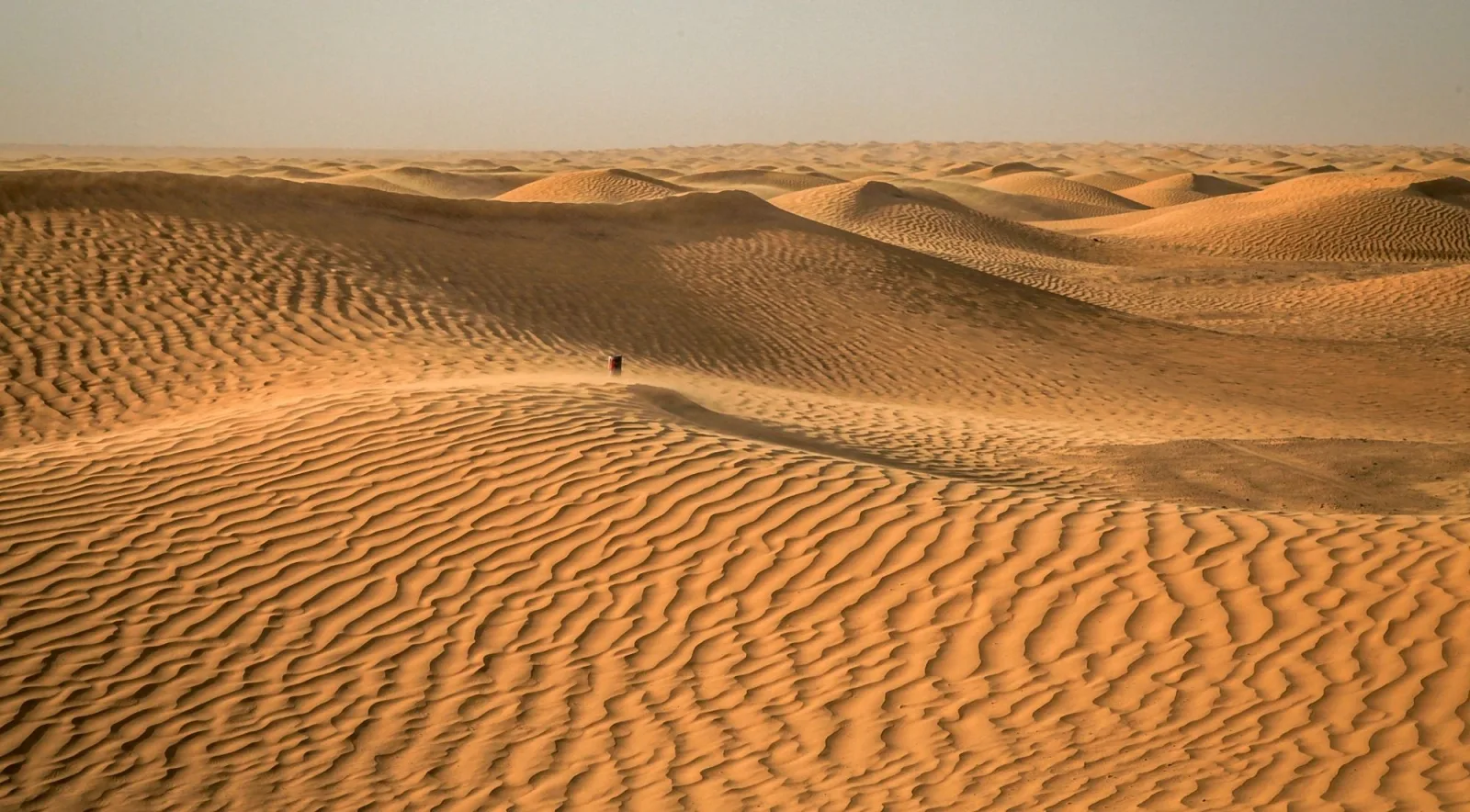
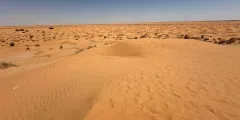
south are good, and the sand — the western edge of the Grand Erg Oriental — sits just
beyond the last line of palms.
That accessibility is also the thing most first-time visitors misjudge. A “Sahara tour”
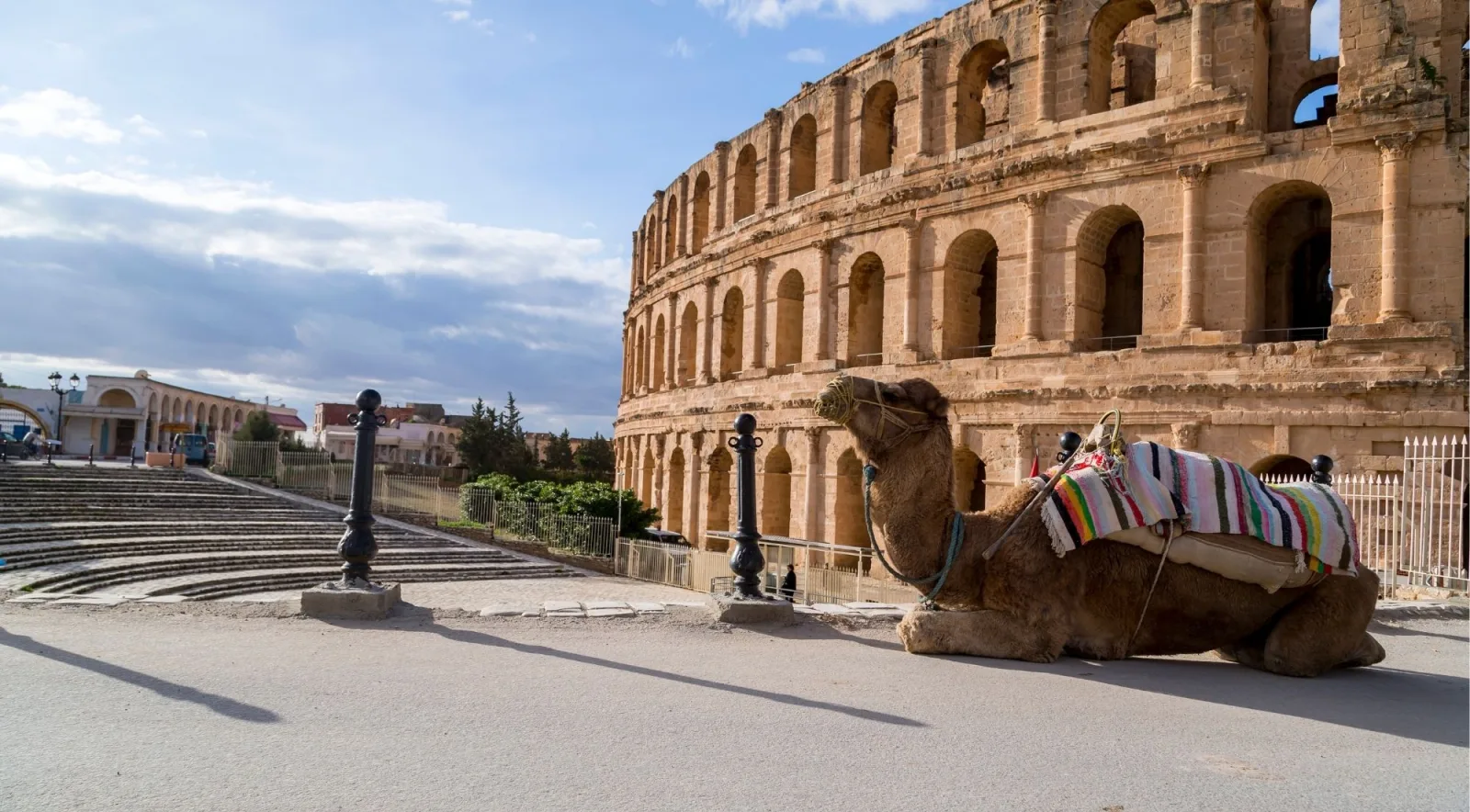
from the coast is mostly a driving day. On the two-day run from Hammamet or Sousse, the
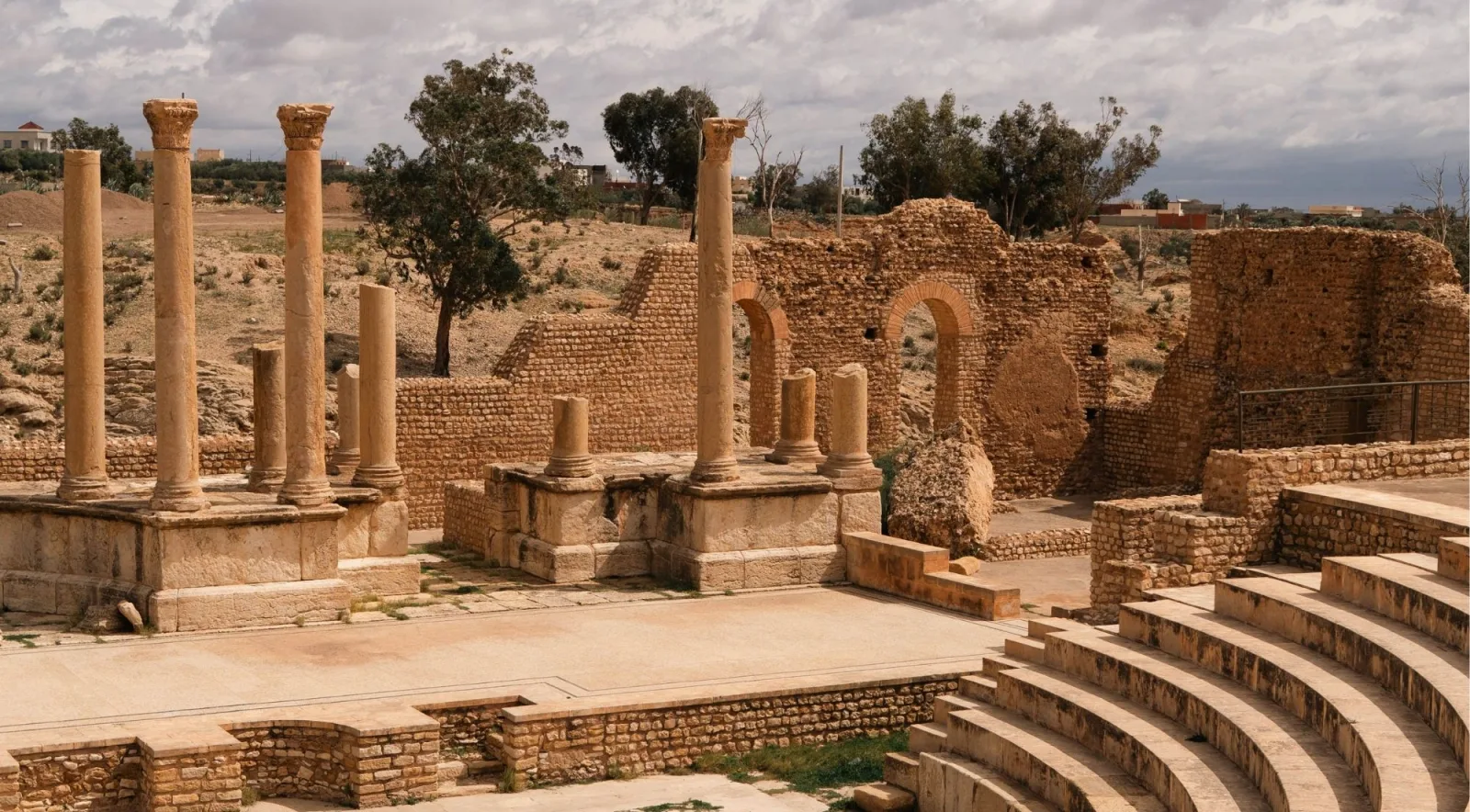
first morning goes to the Roman amphitheatre at El Jem and the cave houses of Matmata
before anyone sees a dune; the sand comes late on day one and the second day is largely
the road home by way of Chott el Jerid and Kairouan. That is not a criticism of the
format — it is genuinely the only way to see this much of southern Tunisia in a short
break — but it explains why the reviews that complain are almost always about hours in a
vehicle rather than about the desert itself.
Where the sand actually is
Four places do most of the work on these itineraries, and knowing which one a tour
reaches tells you more than the title does.
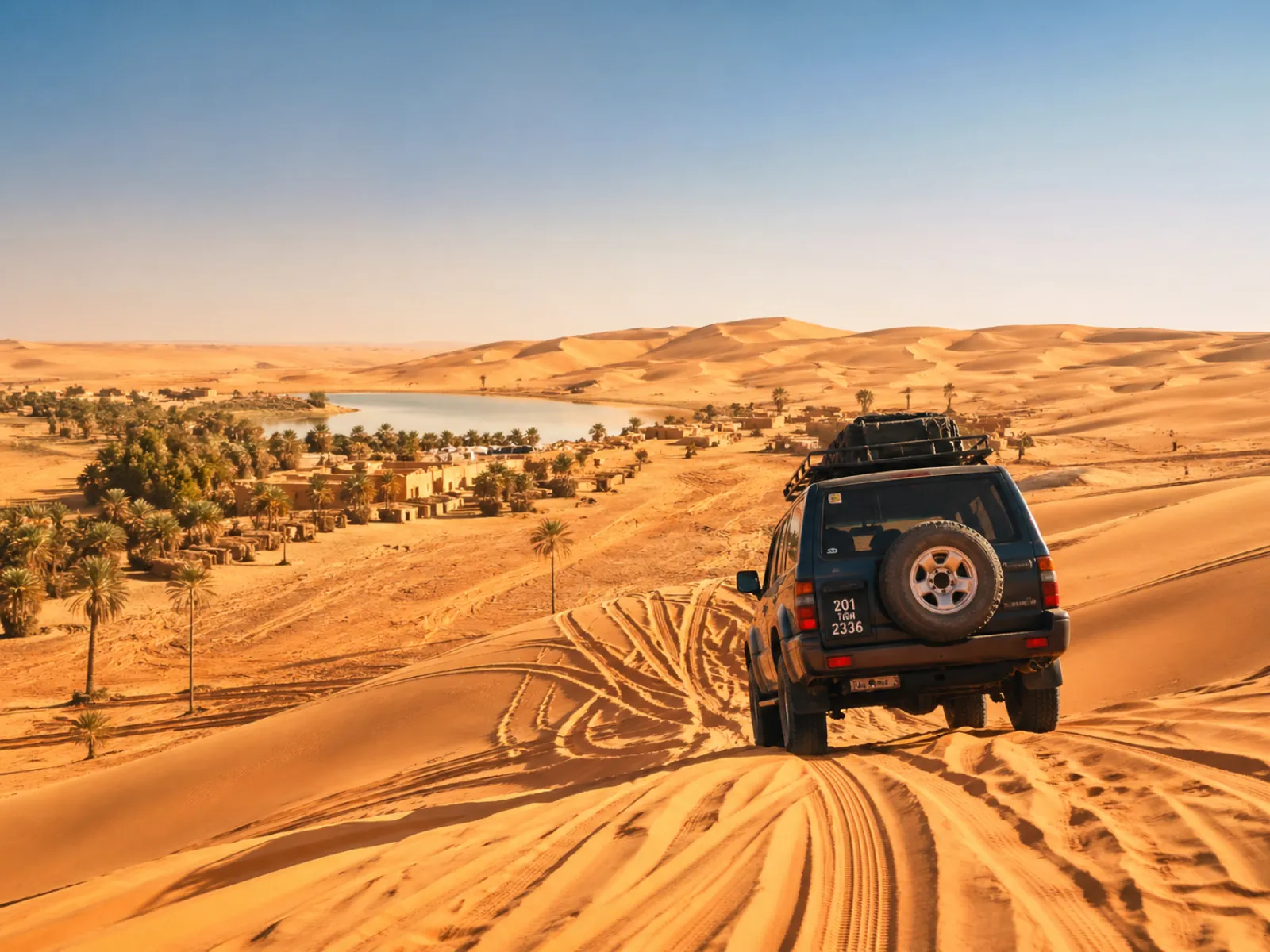
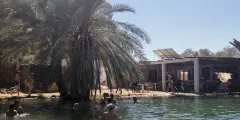
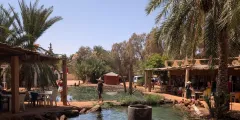
Ksar Ghilane is the southernmost Tunisian oasis and the one that feels like the
Sahara of the imagination: a spring-fed pool warm enough to swim in year round, a ring of
palms, and open dunes in every direction. The Roman fort of Tisavar, built on the desert
frontier in the late second century, sits a short walk away in the sand. It is 80km of
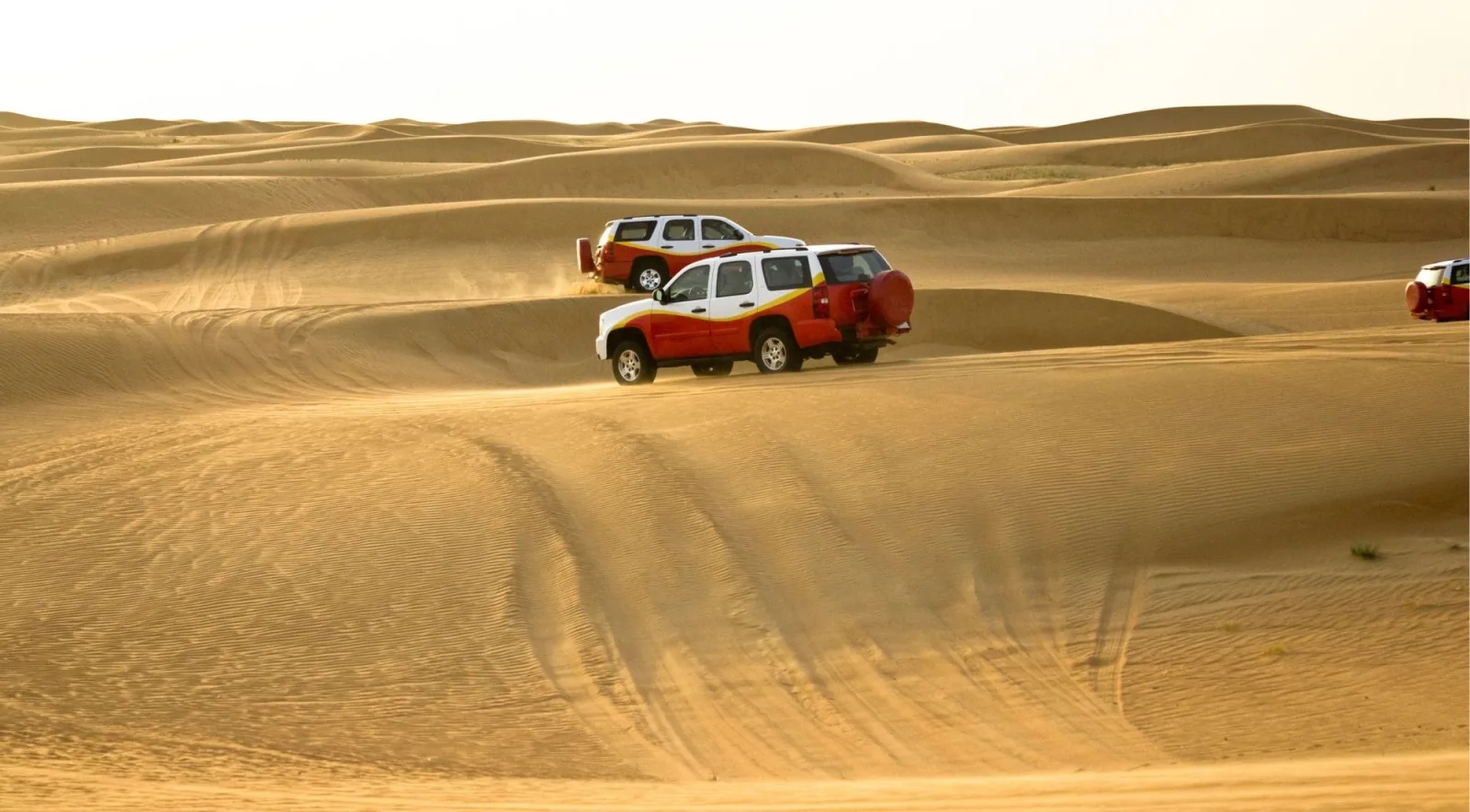
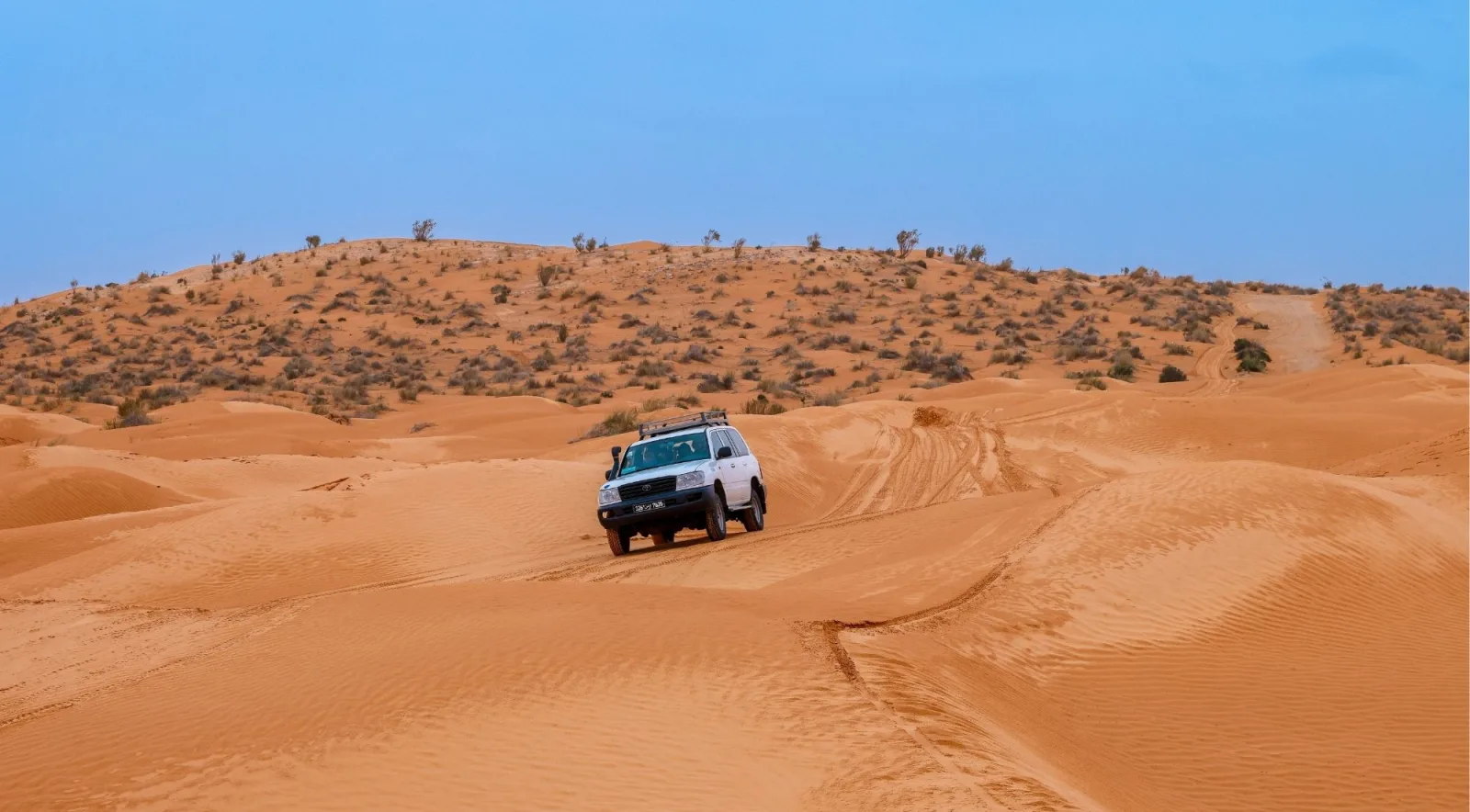
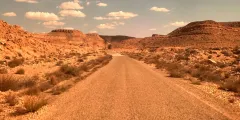
asphalt south of Douz, and the last stretch in from the Dahar side is a proper 4x4 track
— which is why day trips here run in jeeps rather than coaches.
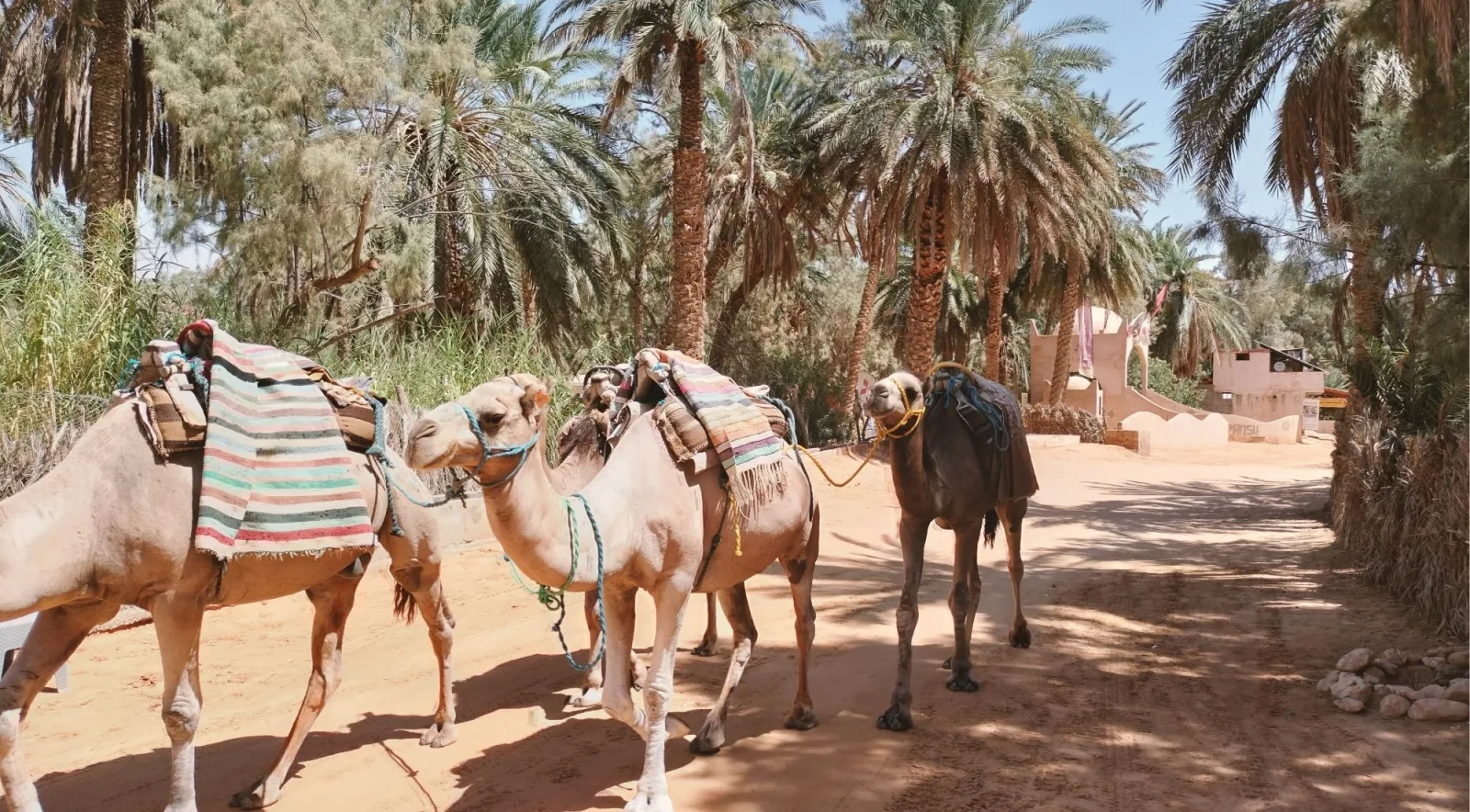
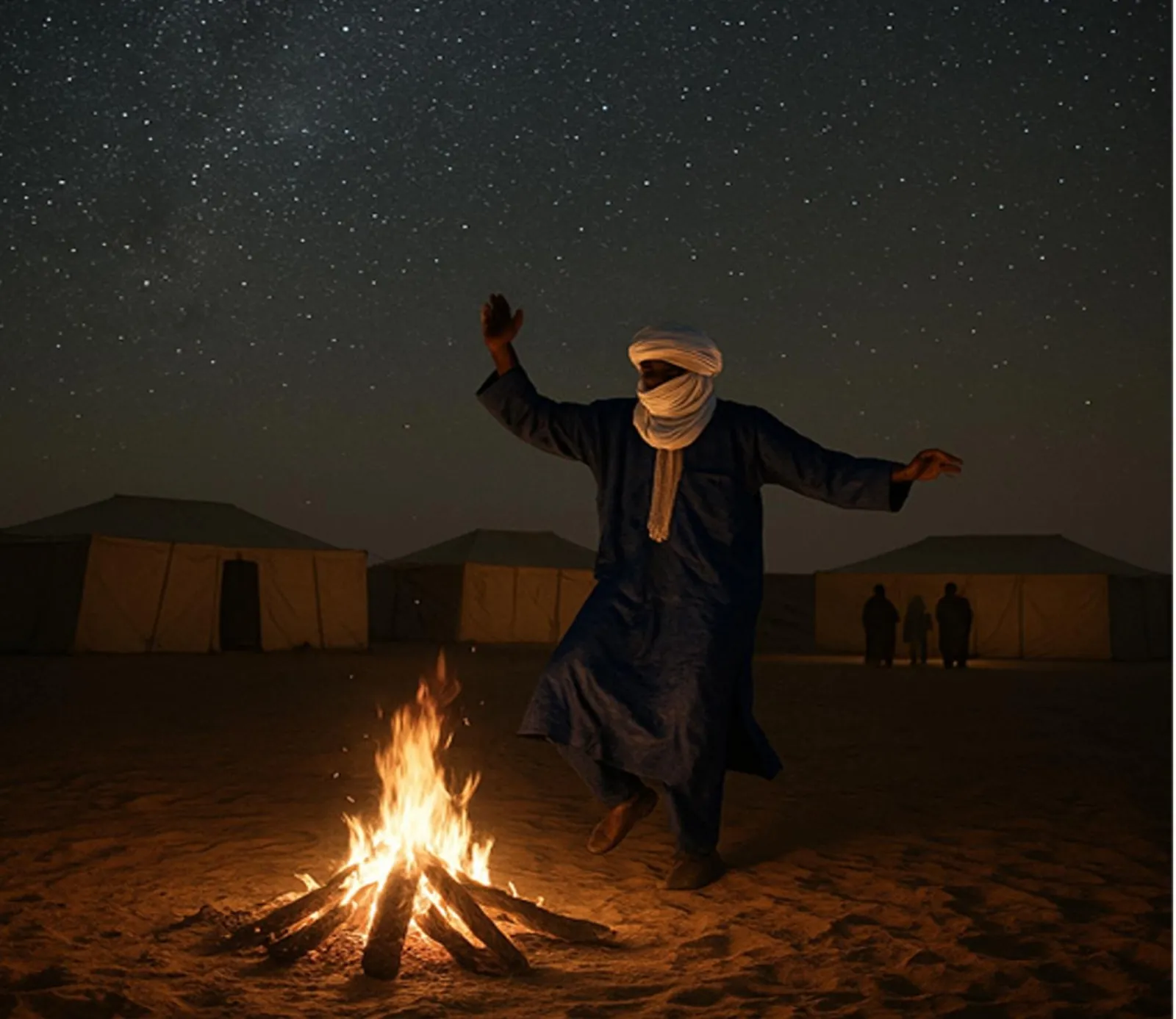
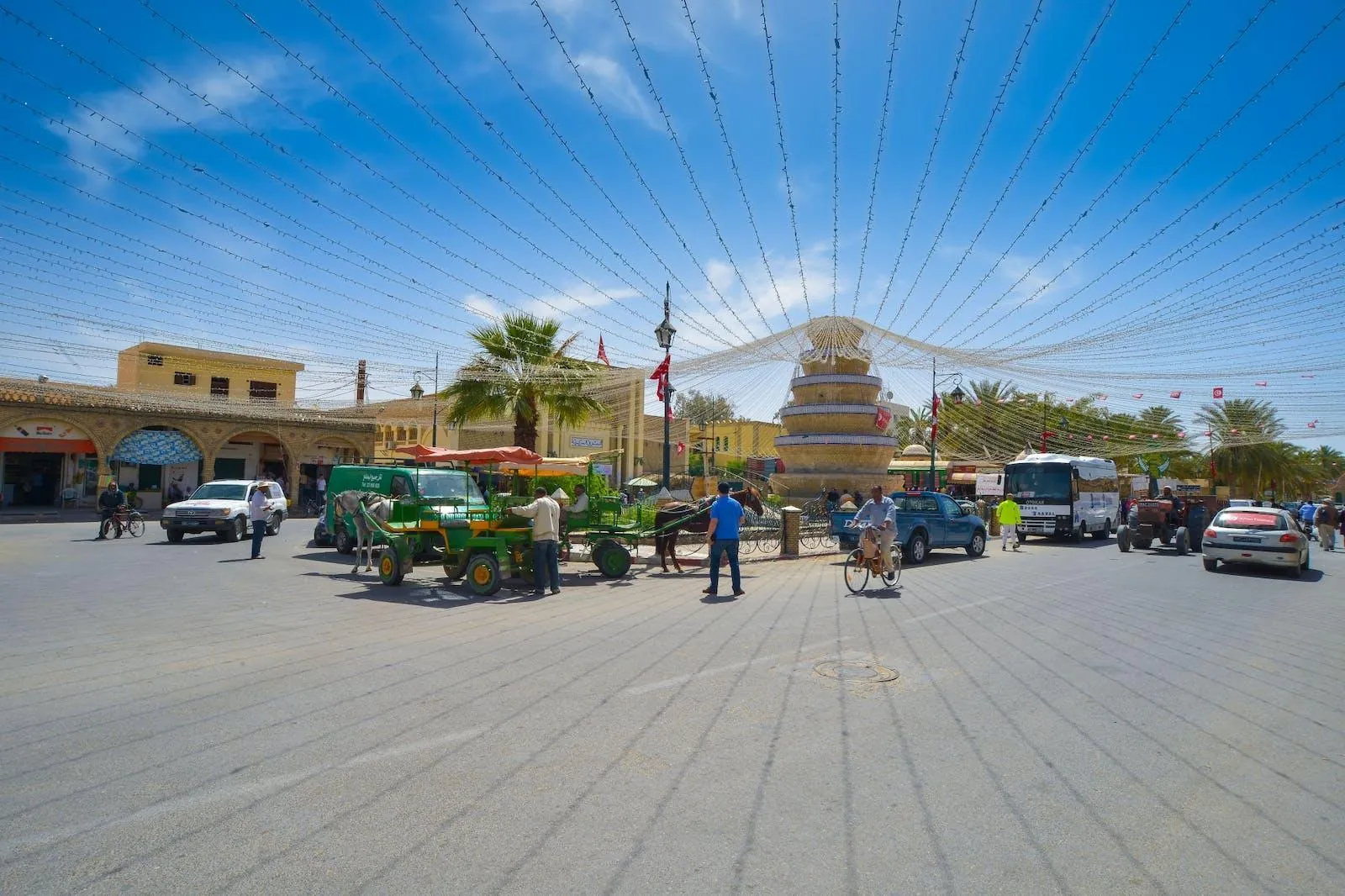
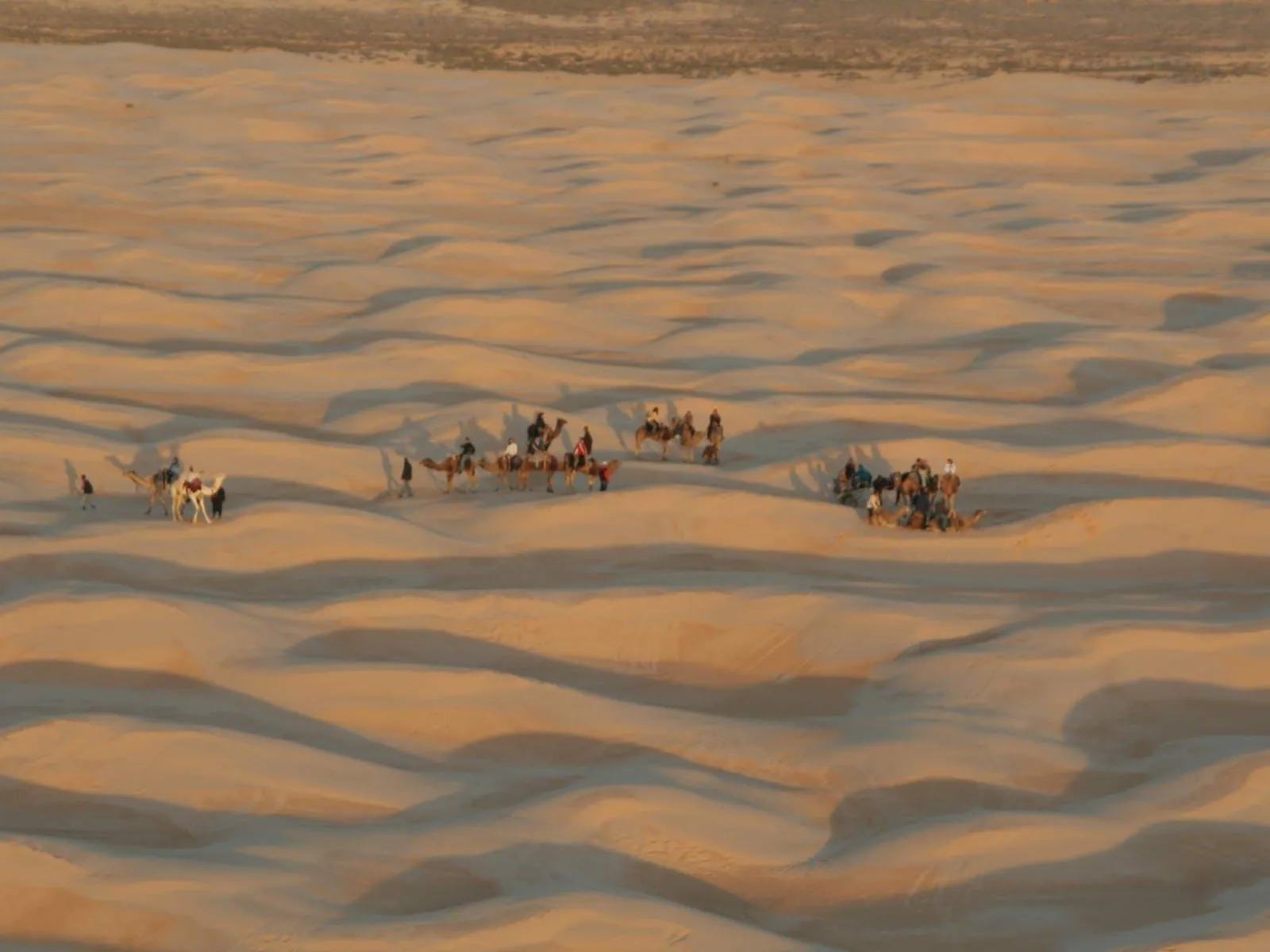
Douz calls itself the gateway to the Sahara and earns it. The dunes start at the end
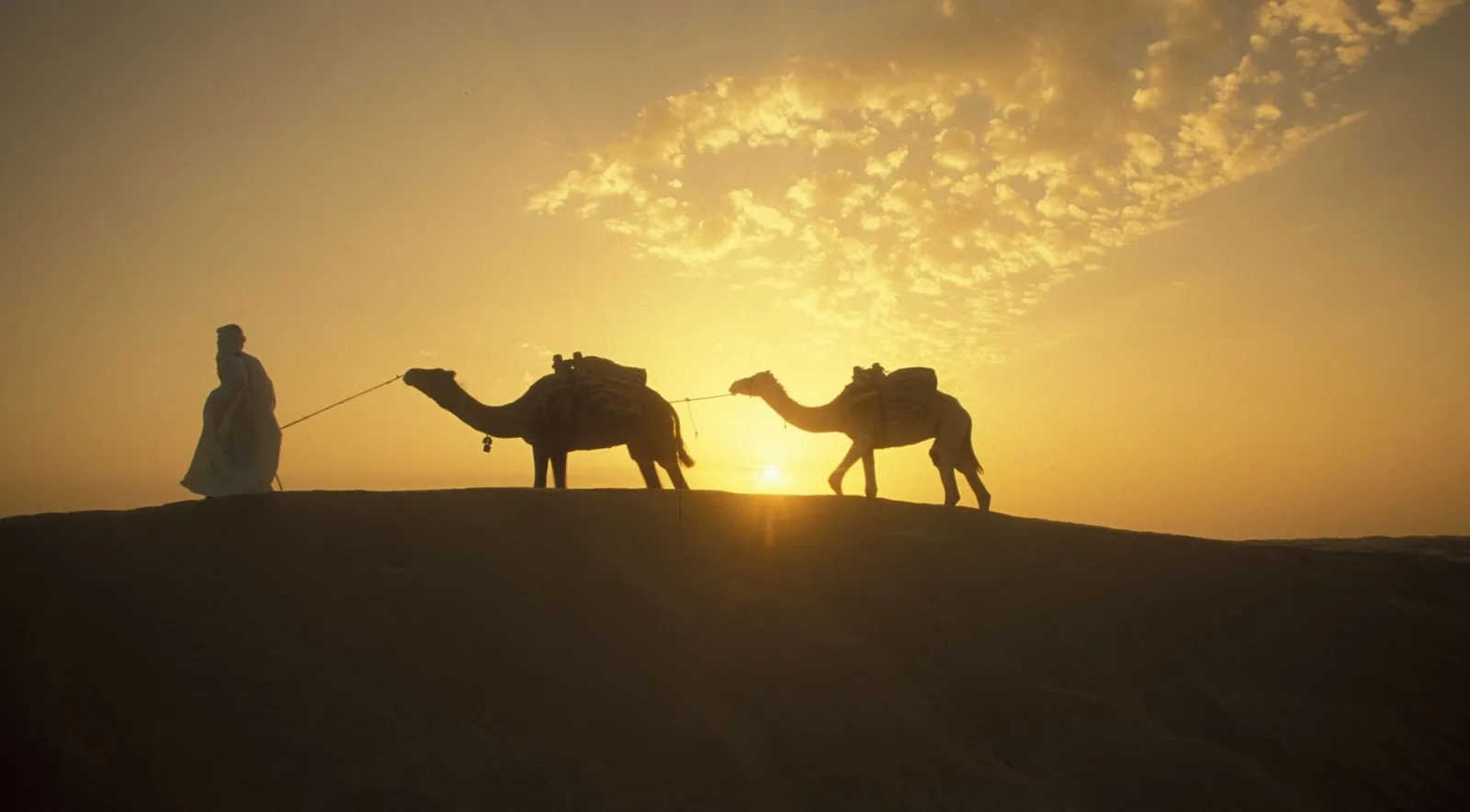
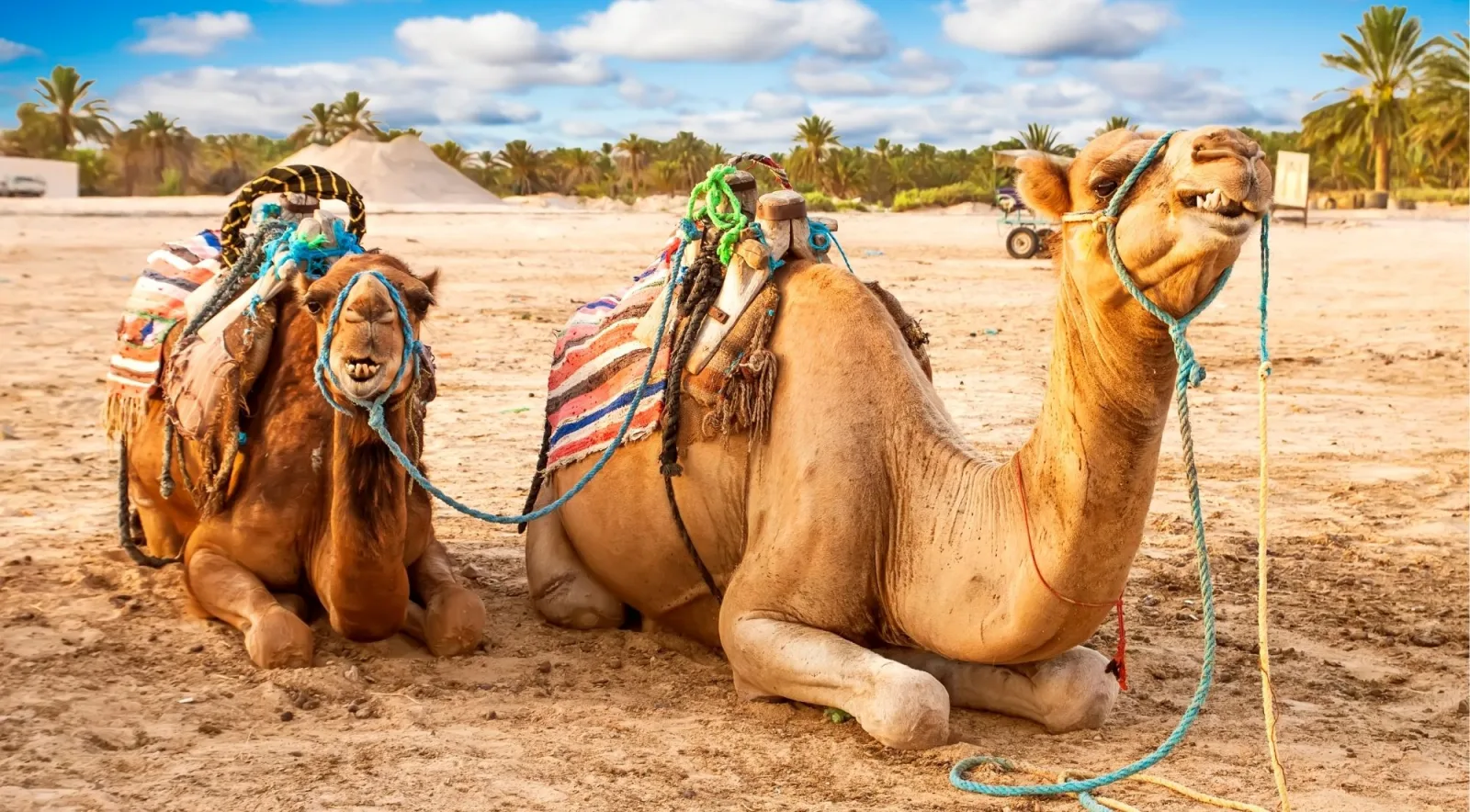
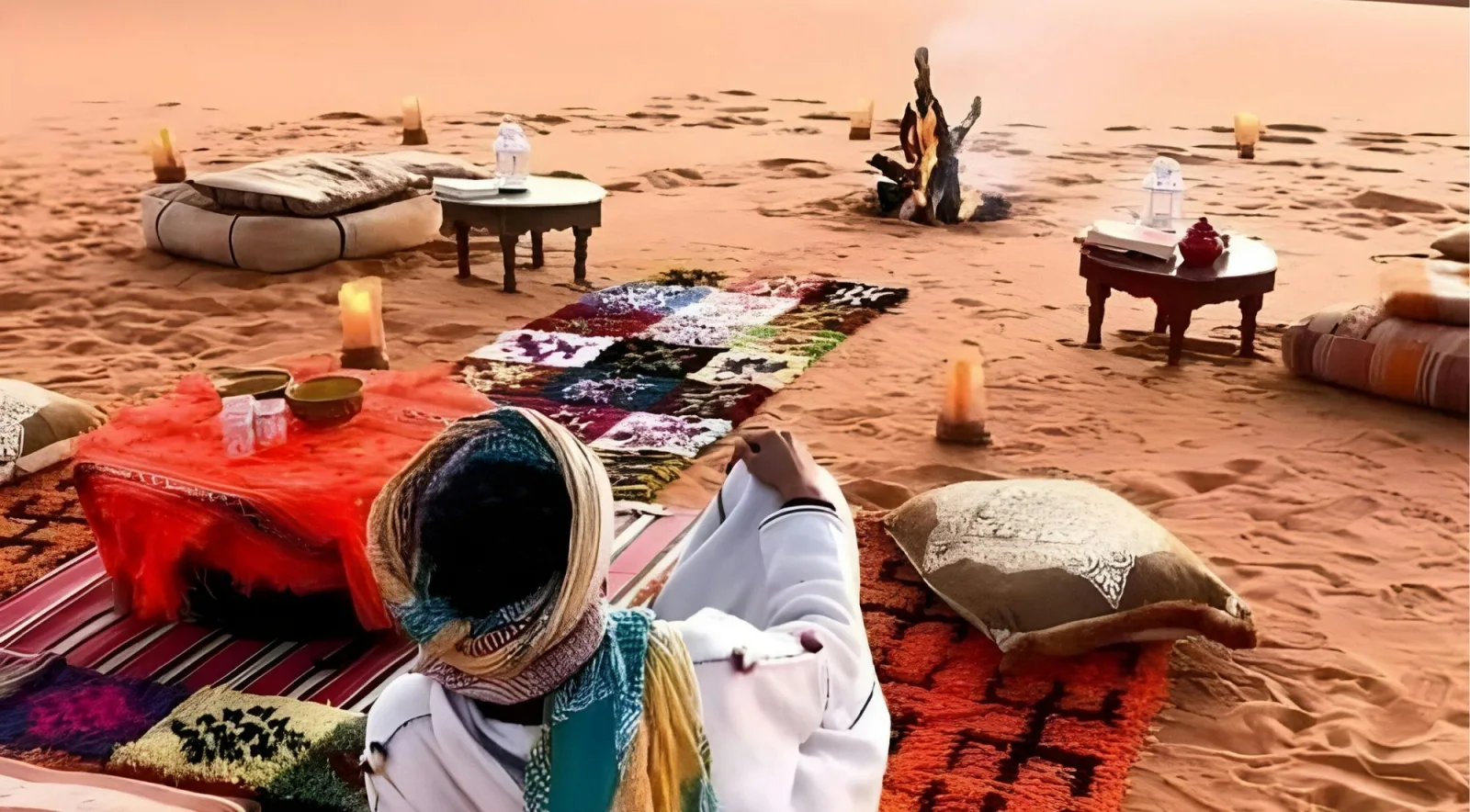
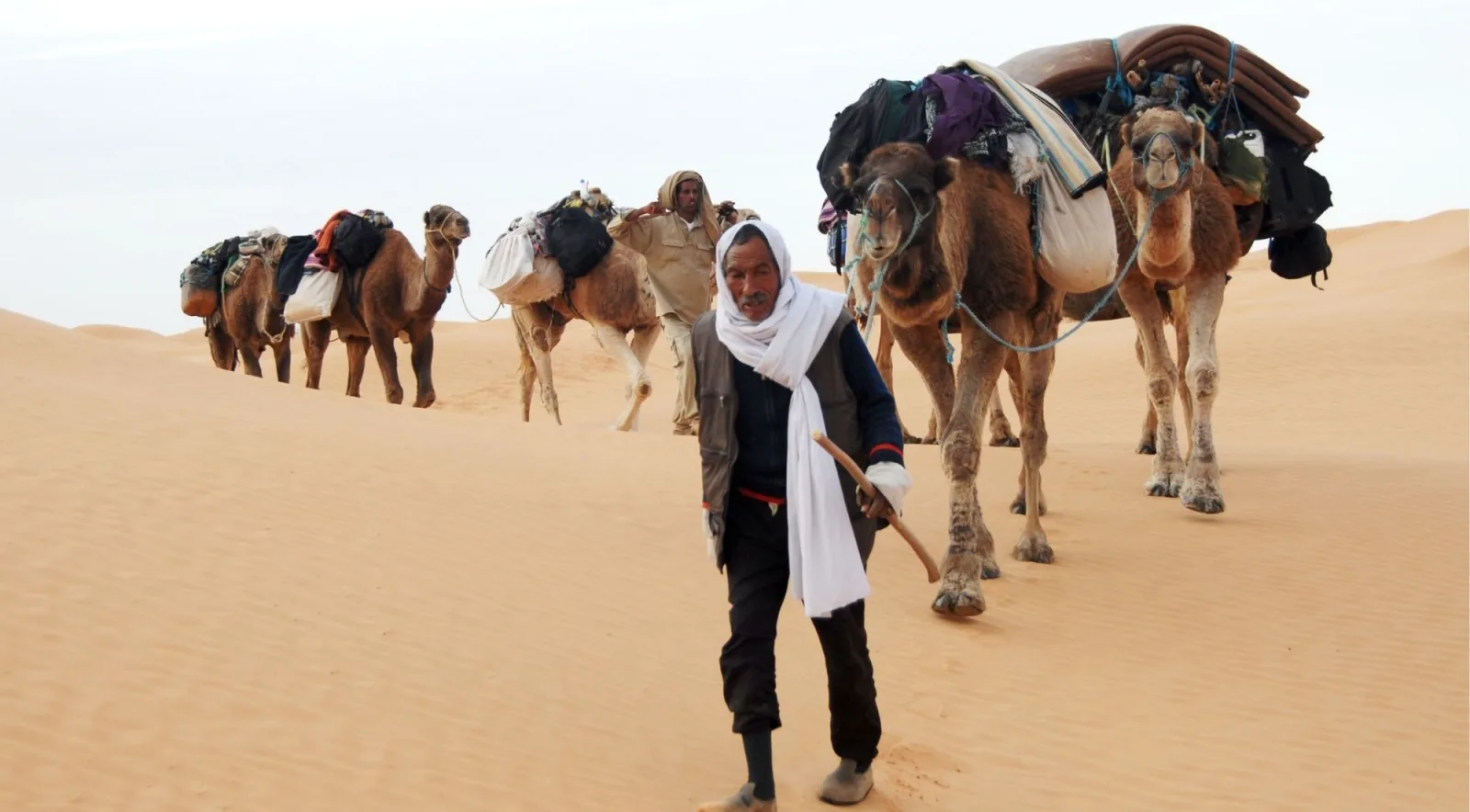
of the town, so this is where the camel treks and the tented camps are based, and where a
tour that promises a night in the desert is most likely to deliver one within twenty
minutes of dinner.
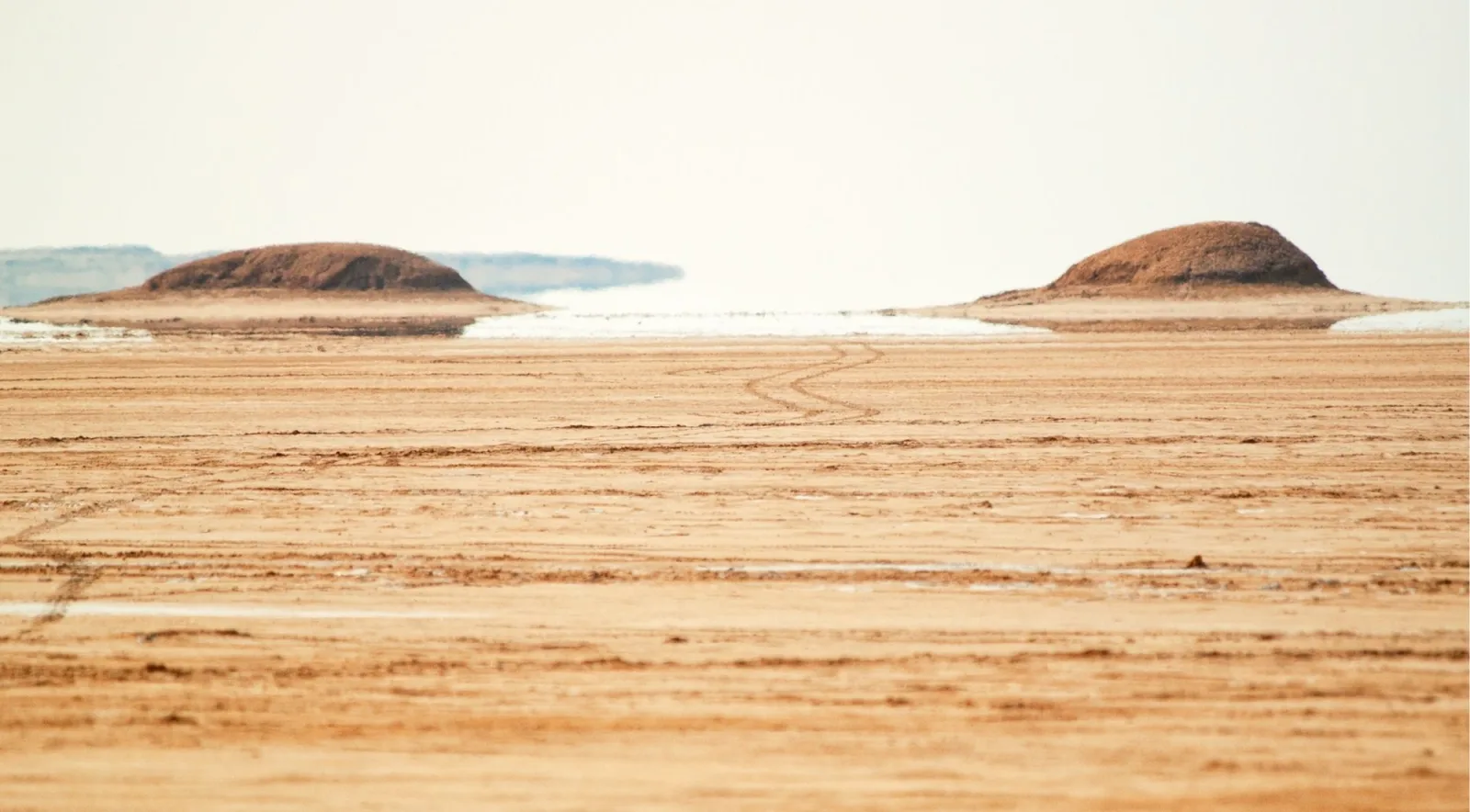
Tozeur and Nefta sit on the far side of Chott el Jerid, the salt pan that takes an
hour to cross and turns to mirage by mid-morning. This is oasis country — Chebika,
Tamerza and Midès are canyon villages in the mountains behind the town — and it is also
the corner of Tunisia where the film sets are.
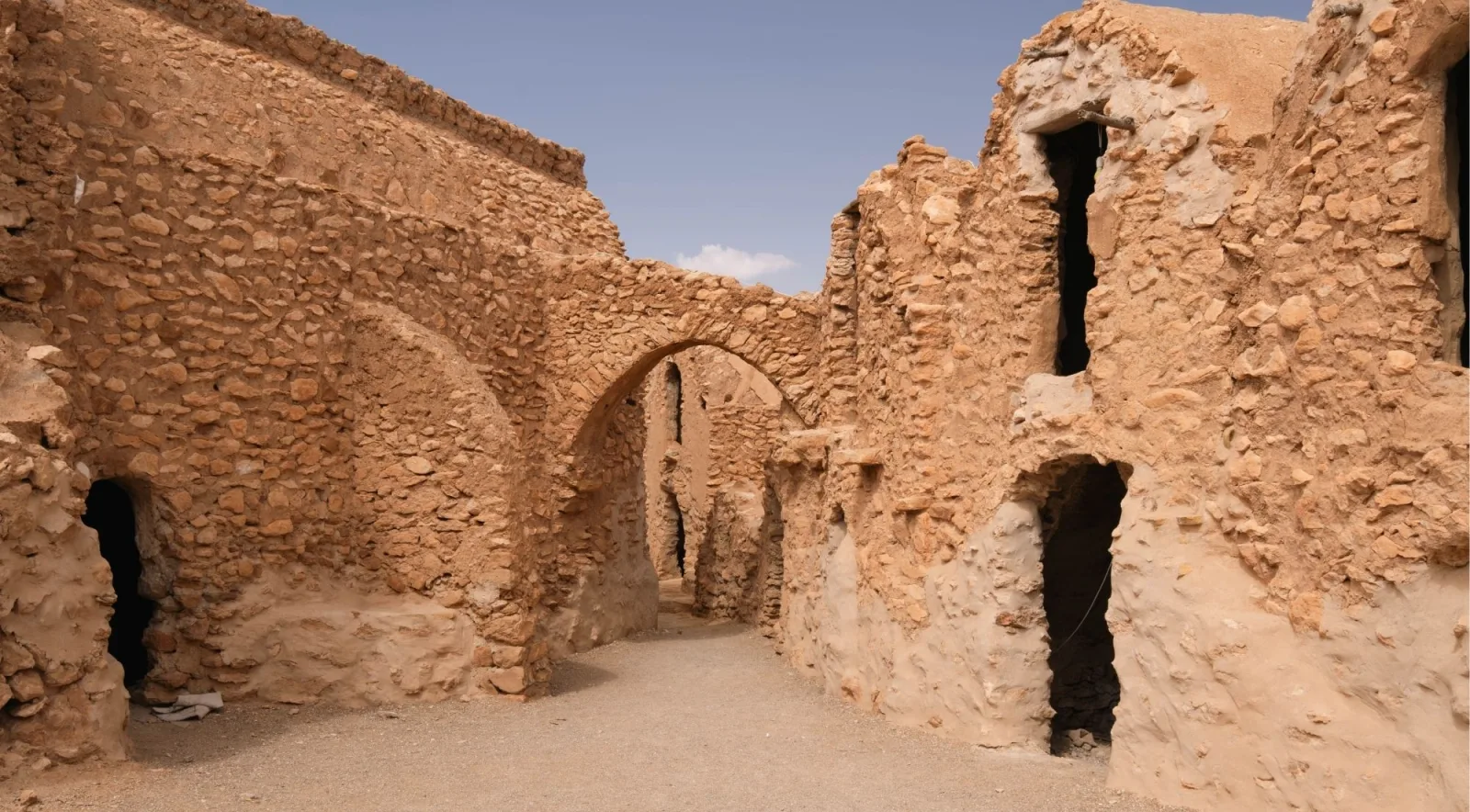
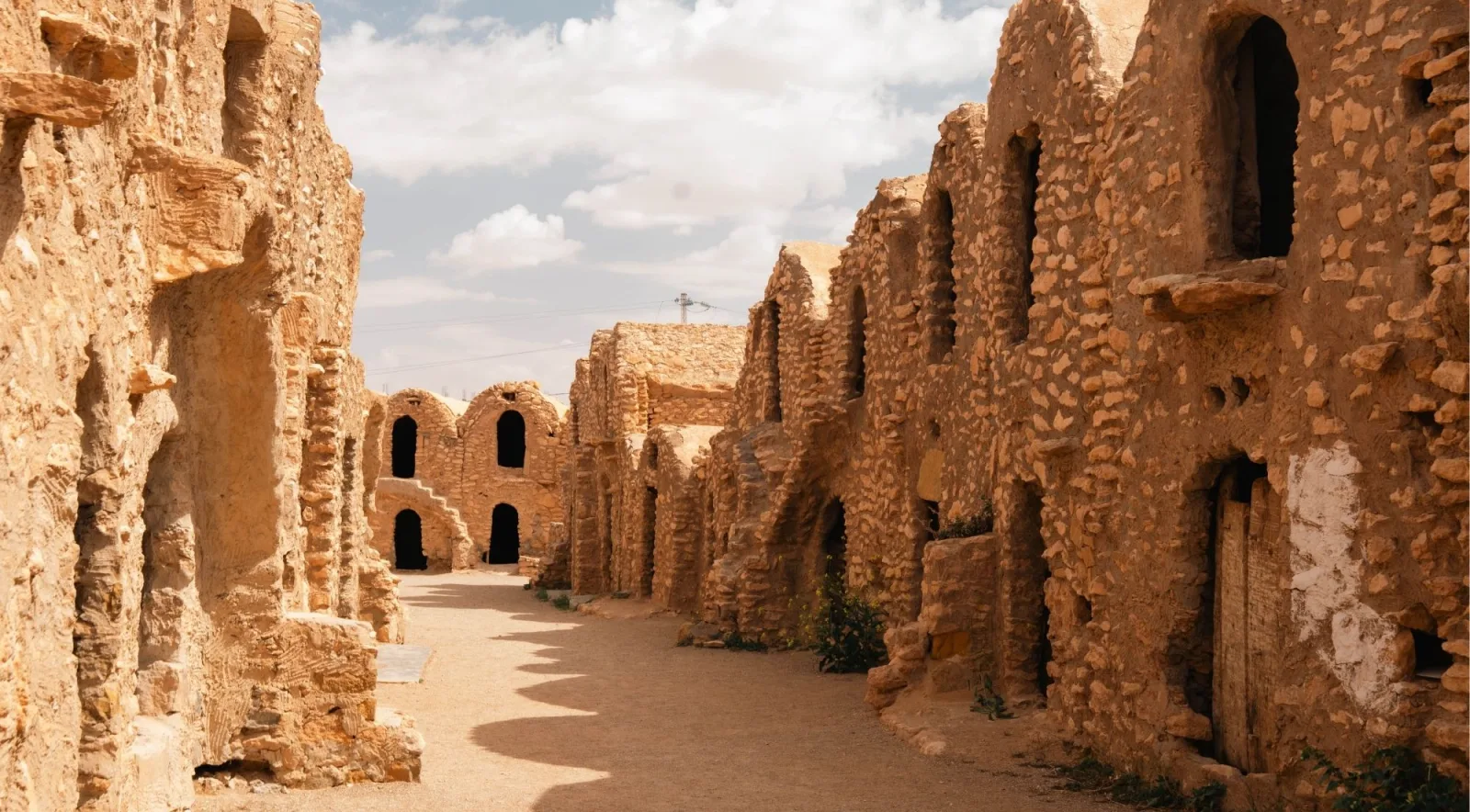
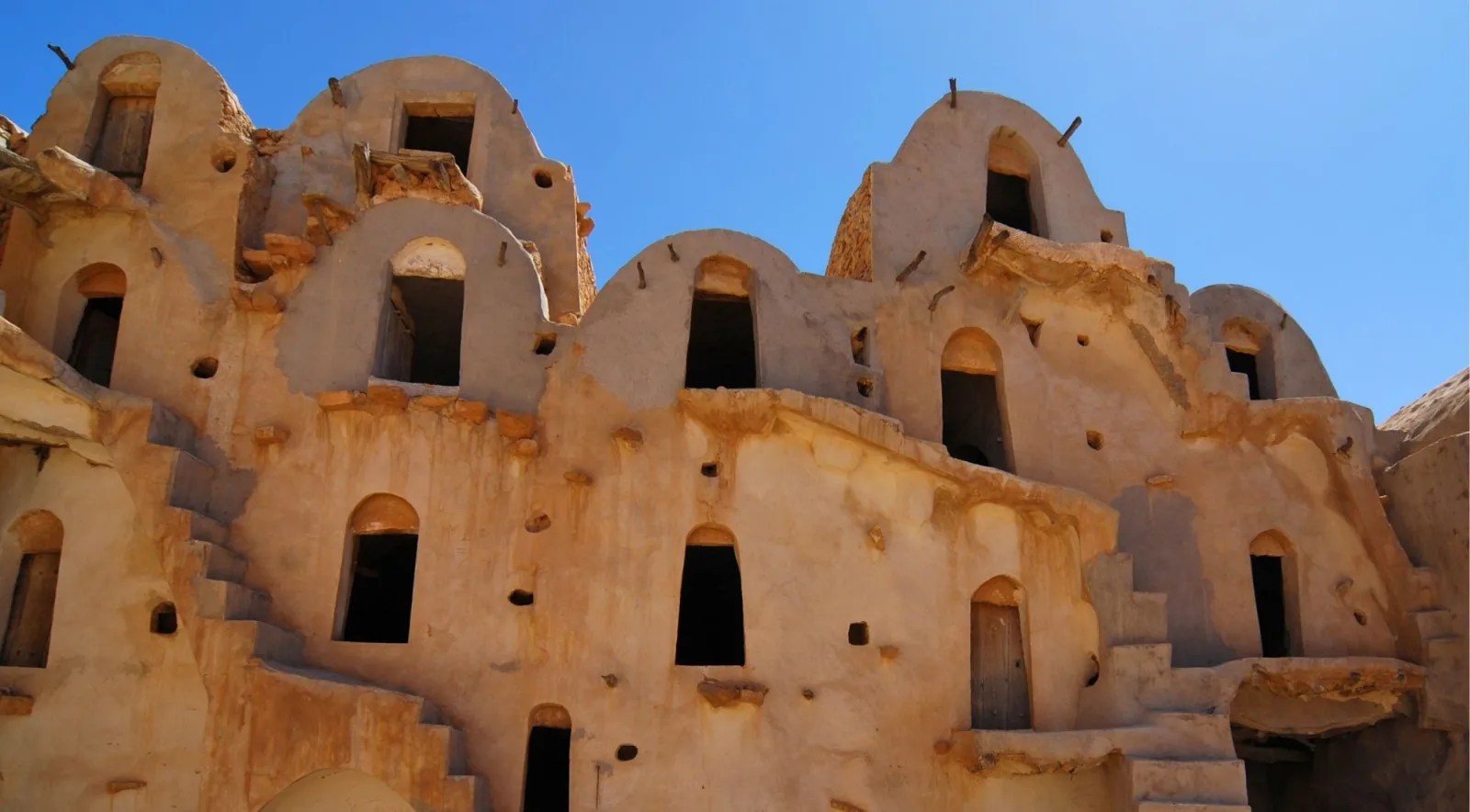
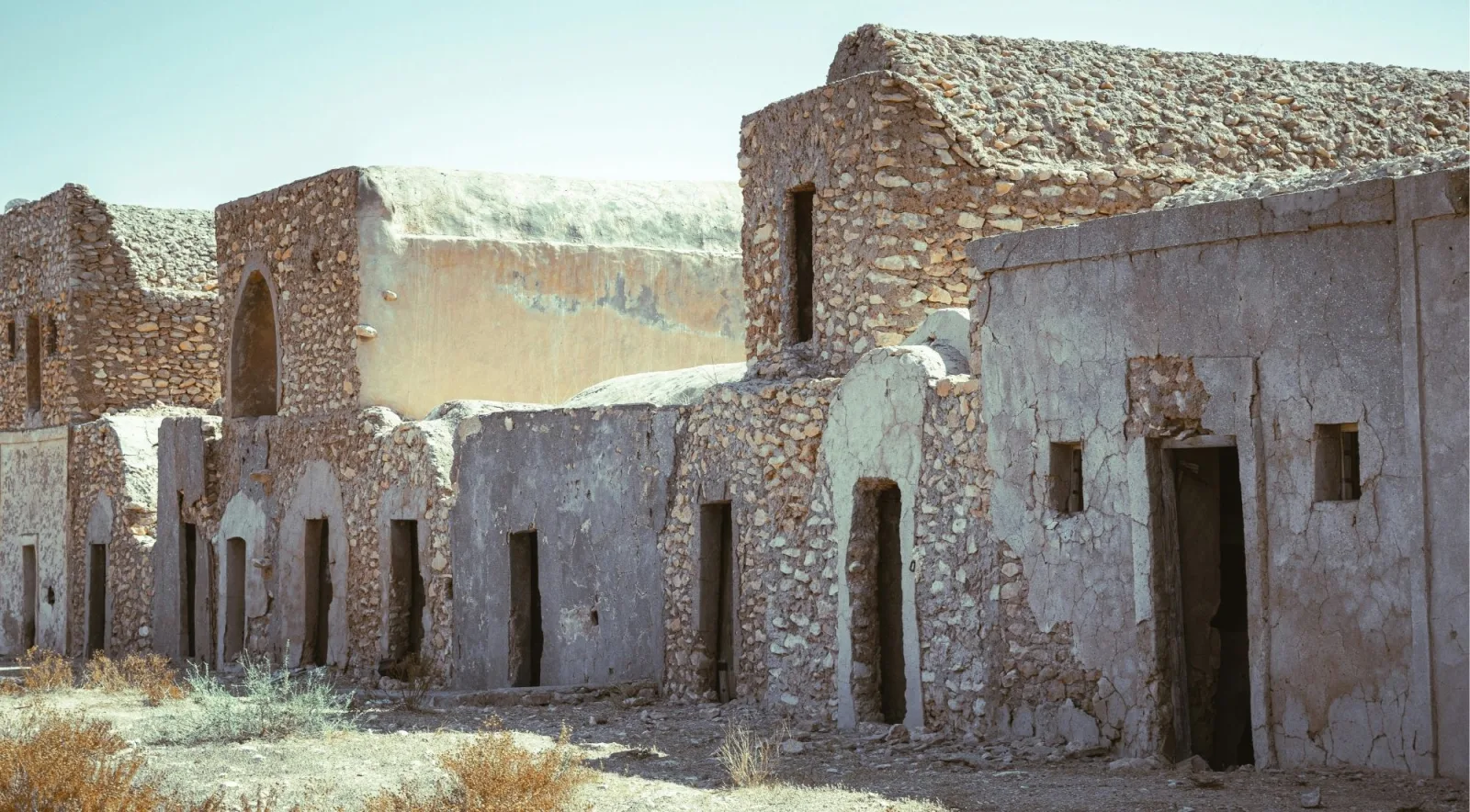
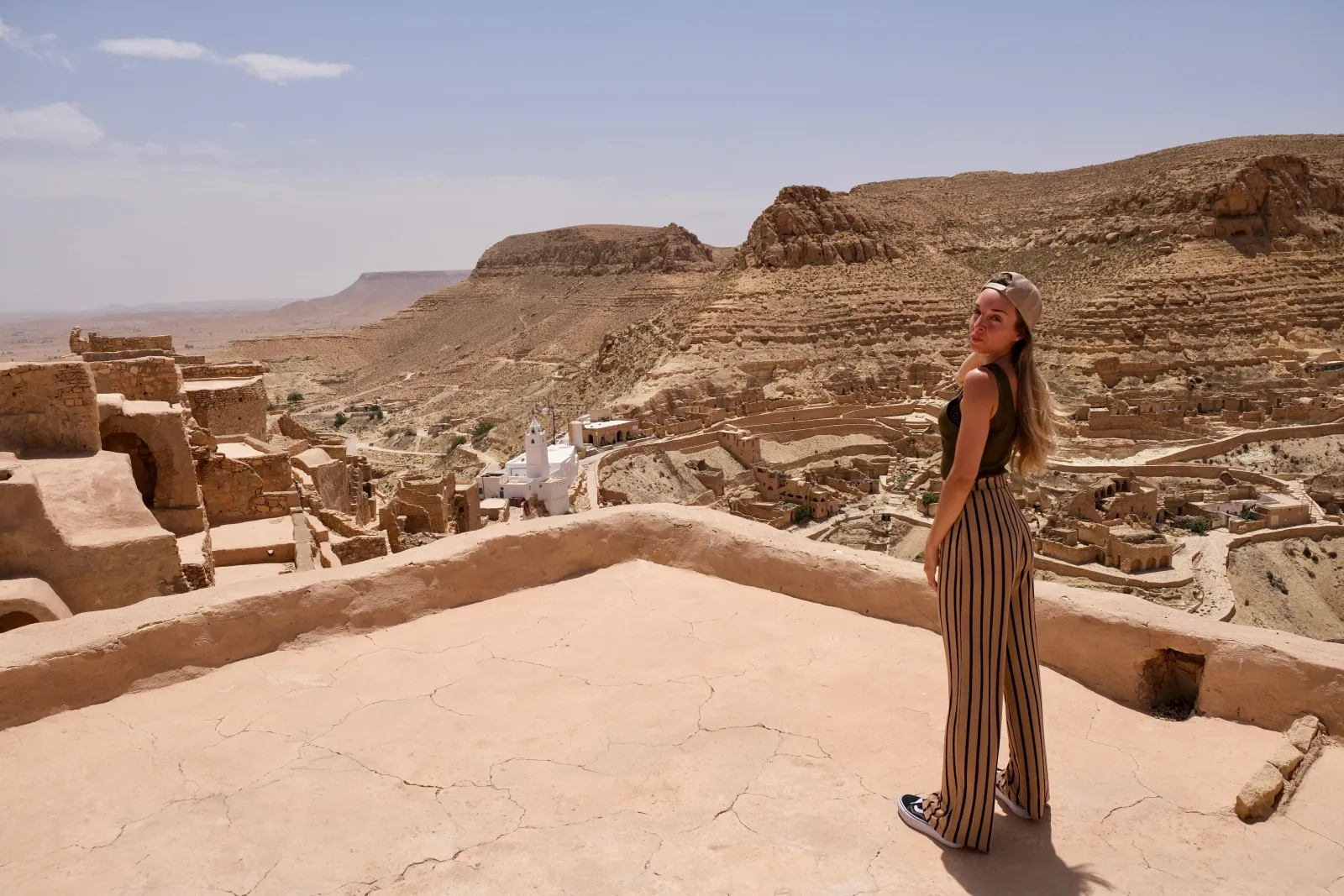
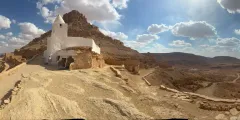
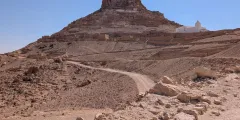
Tataouine and the Dahar are the ksour: fortified granaries of stacked mud-brick
cells, some still standing at four storeys, plus the hilltop Berber villages of Chenini
and Douiret. Day tours from Djerba and Zarzis reach this country easily; almost nothing
from the northern resorts does.
The Star Wars question
It is a real reason to come, not a gimmick. Tunisia stood in for Tatooine across four
films, and the sets were never all struck. The Mos Espa town set at Ong Jmal, near
Nefta, was built for The Phantom Menace in 1997 and is still standing in the open
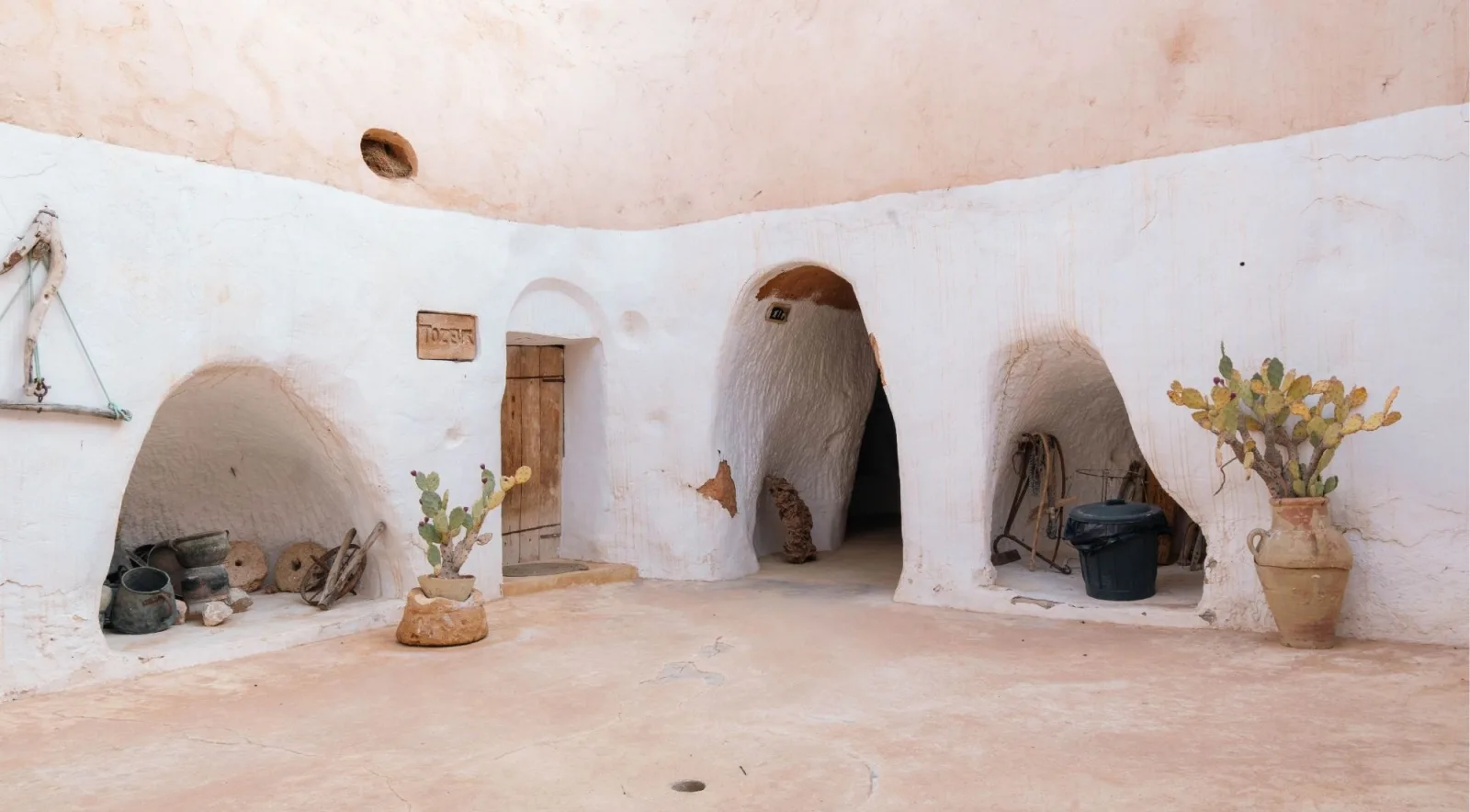
desert. Hotel Sidi Driss in Matmata is the Lars homestead interior from A New Hope,
redressed in 2000 for Attack of the Clones and still serving lunch in the same sunken
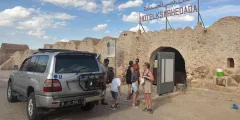
courtyard. Ksar Hadada, north of Tataouine, played the Mos Espa slave quarters. The
Lars homestead exterior — the white dome — stands on the edge of Chott el Jerid near
Nefta.
What this means practically: no single day tour reaches all of them. Matmata, Ksar Hadada
and the Tataouine ksour cluster in the south-east and are the natural Djerba day trip;
Mos Espa and the Chott el Jerid dome are 250km further west and belong to a Tozeur-based
trip or the second day of a longer loop. Our Star Wars tours page
sets out which sets each itinerary actually stops at.
Choosing a length and a departure town
If you are staying in Djerba or Zarzis, the day trip is the right instinct. A jeep
leaves at about 6am, crosses to the ksour, and you are in the water at Ksar Ghilane by
early afternoon. The most-reviewed example on this site —
the 4x4 to Ksar Ghilane and Tataouine
— does exactly that for $69 and has collected more than 1,600 reviews at 4.8 out of 5.
From Hammamet, Sousse or Tunis, a day trip cannot reach the sand, so the shortest
honest format is two days with a night in a desert camp or a Tozeur hotel. The
2-Day Sahara Express is the
most-reviewed of them at $118. Expect to pay roughly $118–155 per person with
accommodation, meals and transport included, and expect an early start — 5am pickups are
normal on the northern runs.
Three days buys back the pace rather than adding a new landscape: the same route with
a night in Tozeur as well as one in the desert, so the oases and the Chott get an
unhurried morning instead of a photo stop. If long drives are the thing you dread, that
is where the extra money goes.
Our decision guide walks through
the trade-offs tour by tour, and each departure town has its own page with the tours that
genuinely leave from there.
When to go
The desert season runs roughly October to April. January days in Tozeur sit around
17–20°C with nights close to freezing, which is excellent walking weather and cold enough
in a tent to want the extra blanket the camps provide. July and August are the opposite
problem: 42°C is a normal Tozeur afternoon and 45°C is not unusual, and several operators
shorten or reschedule their desert legs in high summer. If your trip falls then, favour a
tour that puts the dunes at sunrise or sunset rather than at noon — our
best-time guide has the month-by-month
detail.