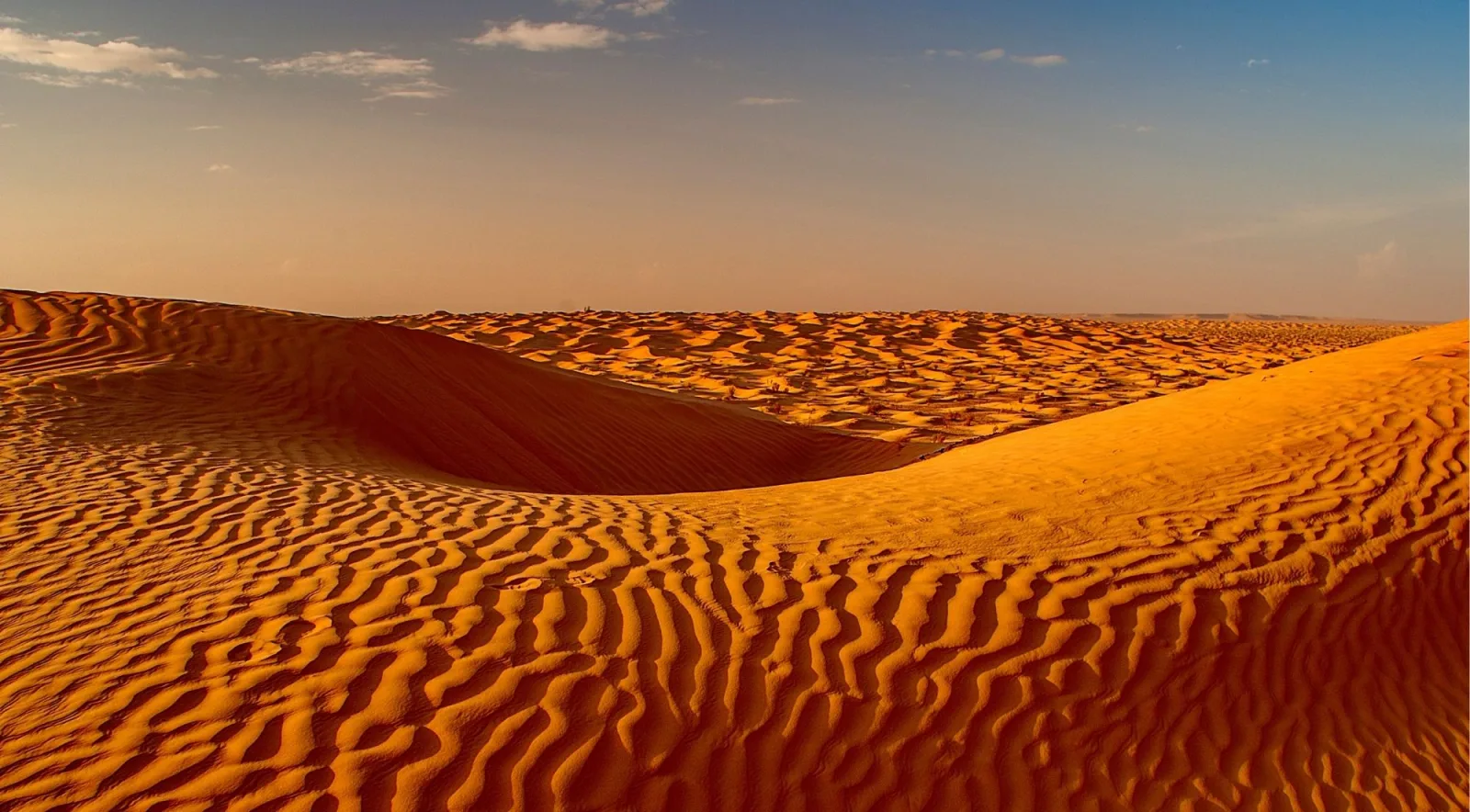
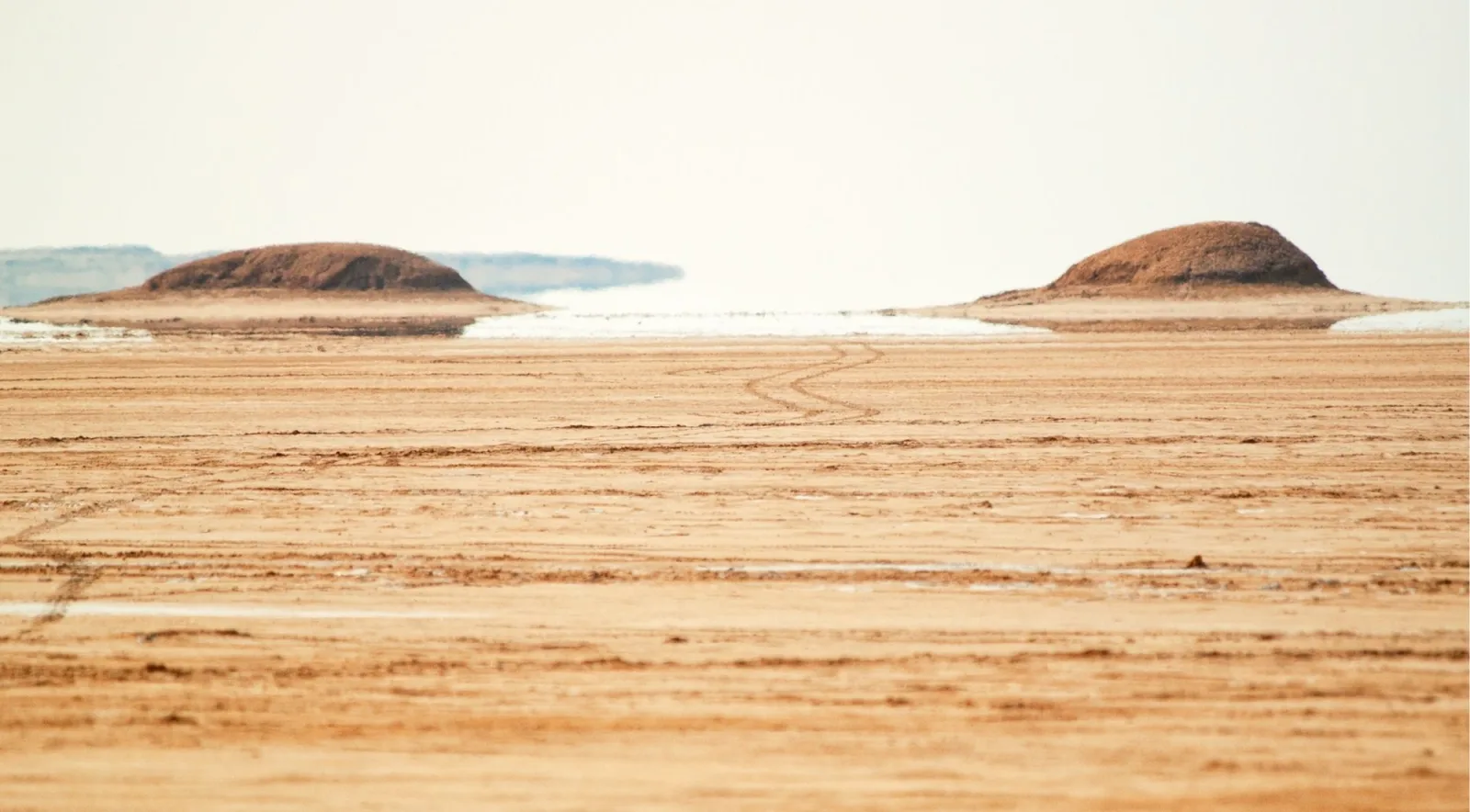
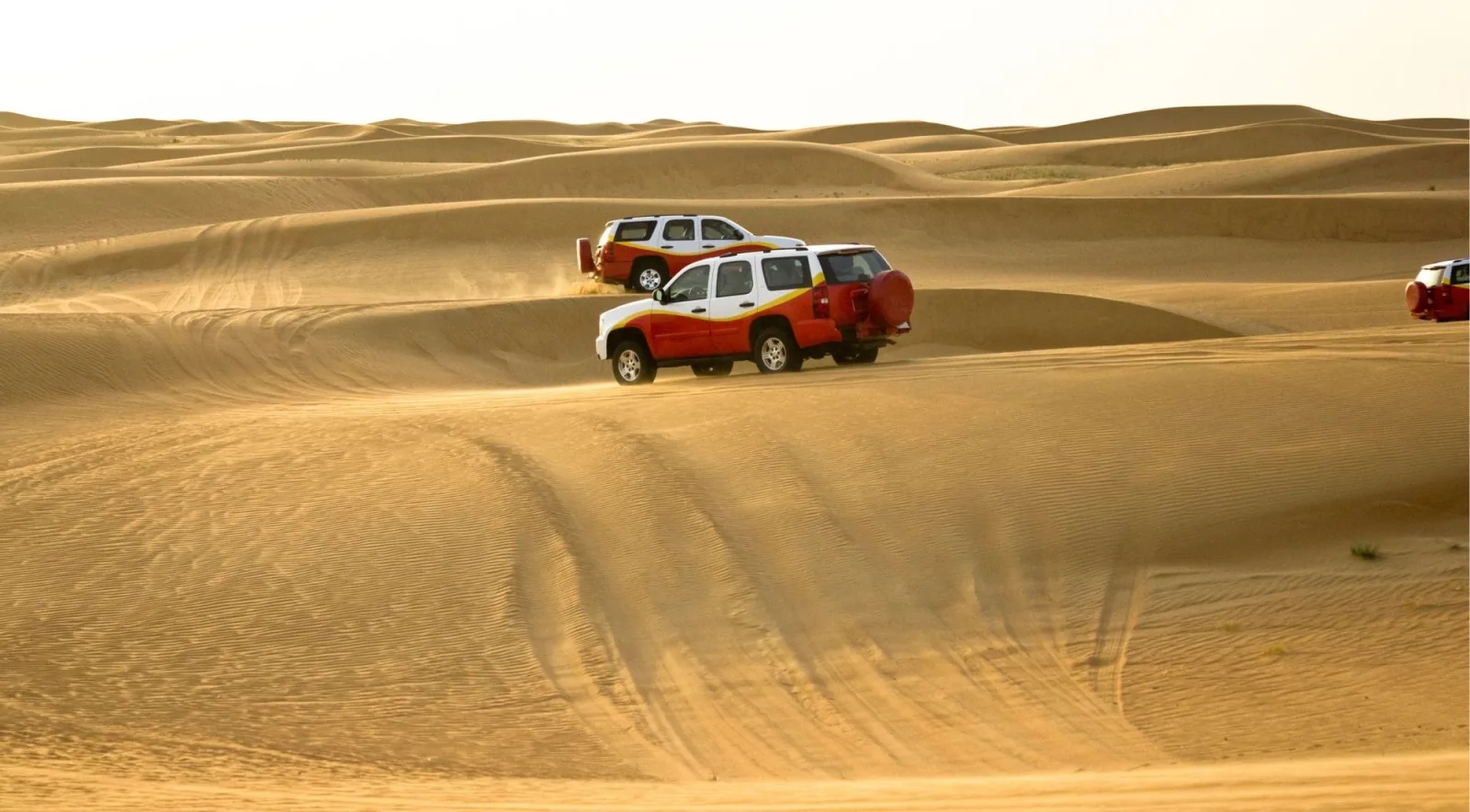
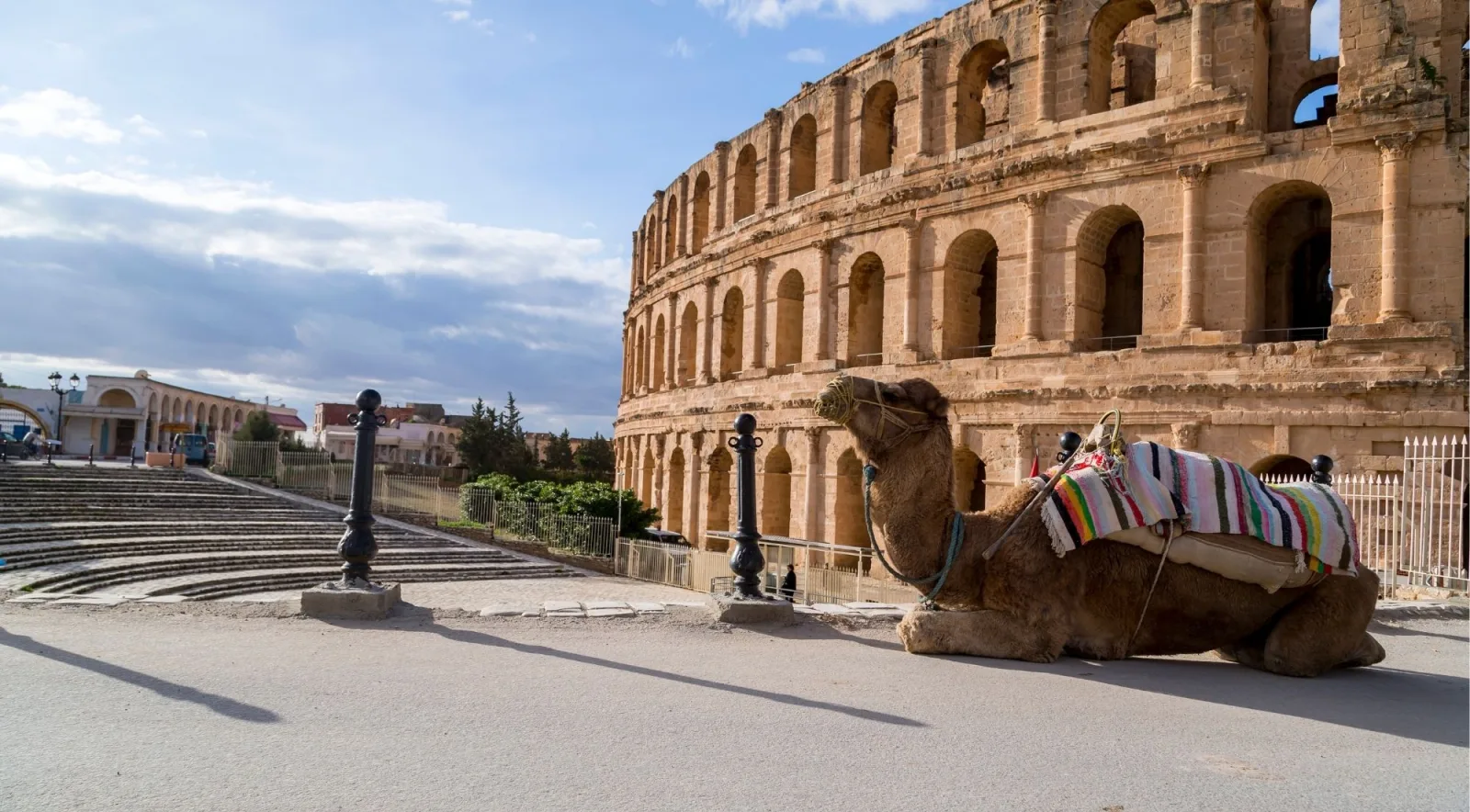
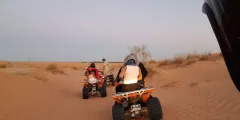
Sixty of the tours we track put you in the desert overnight, and they are not offering the
same night. Before you compare prices, work out which of three things a listing is actually
selling.
A permanent camp
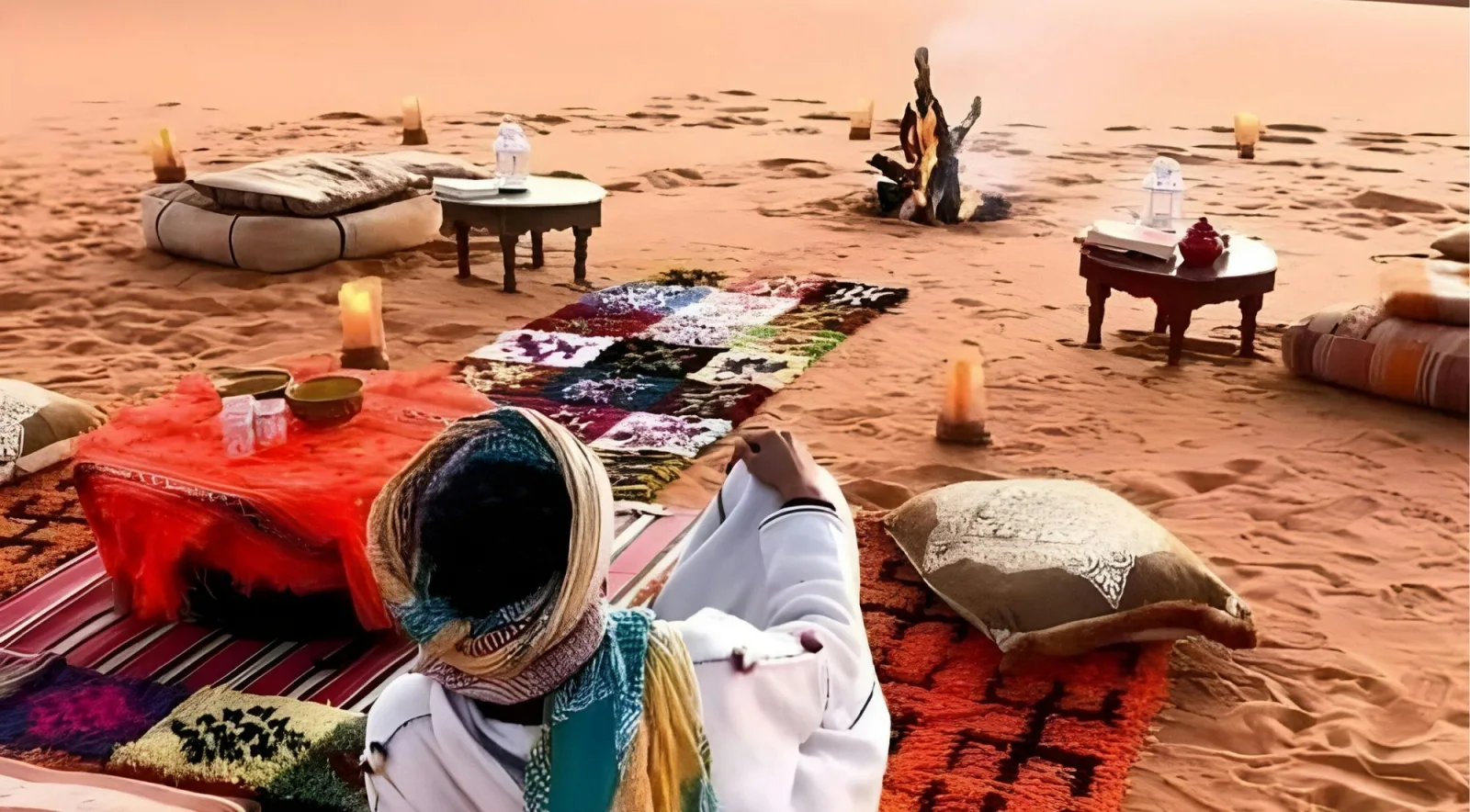
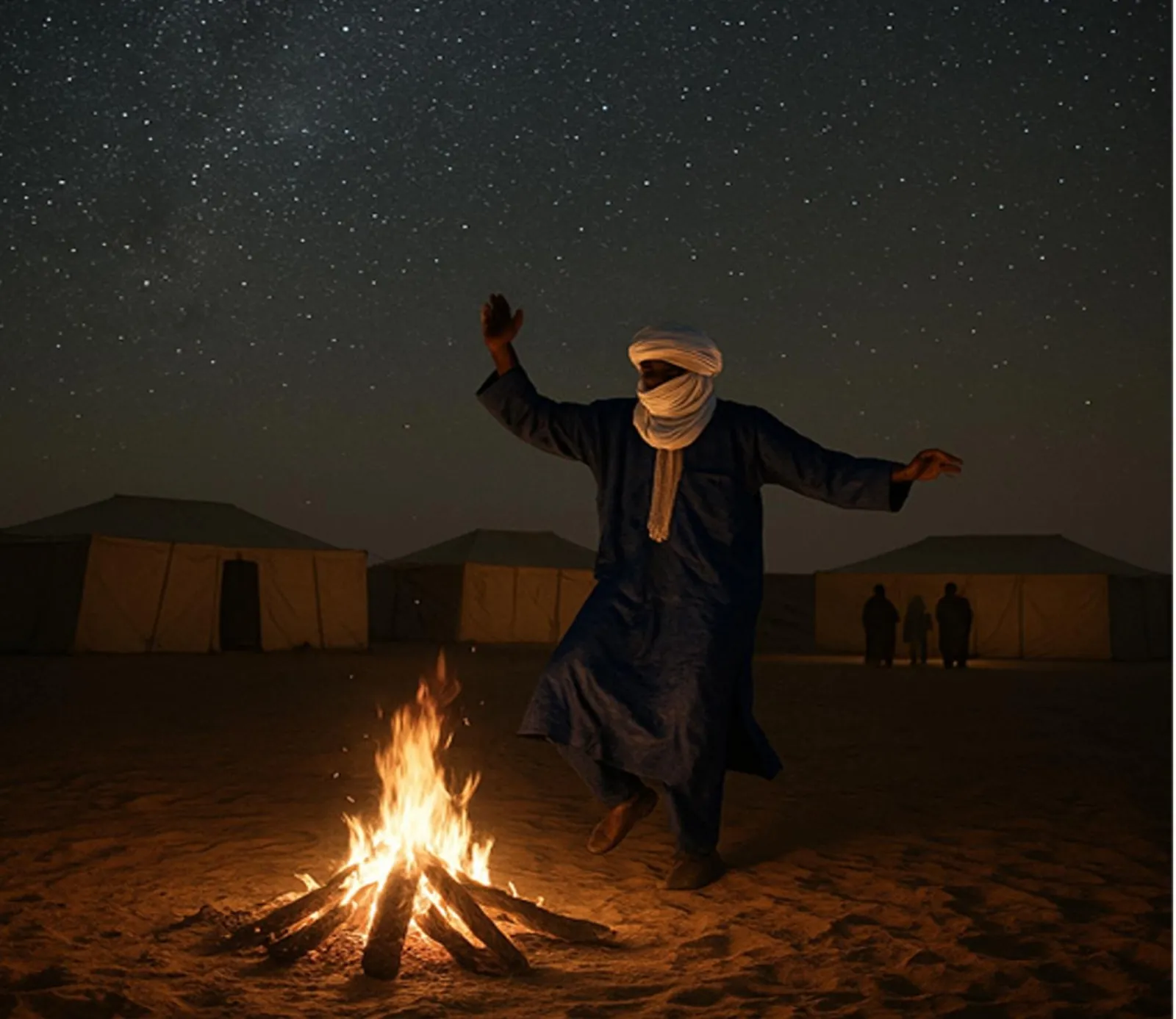
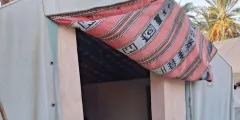
The most common, and the one most people mean by desert camping. A fixed site on the sand
with Bedouin-style tents already pitched, real beds or mattresses with blankets, a dining
tent, and — at the better ones — flushing toilets and hot showers. Dinner is cooked on site,
flatbread is baked in the embers, and the evening usually has drumming or a folklore show in
it.
Guests on the Douz camel-trek camp specifically praise the toilets and showers, which tells
you something about how varied this category is. If facilities matter to you, look for them
named in the inclusions rather than assumed.
A nomadic bivouac
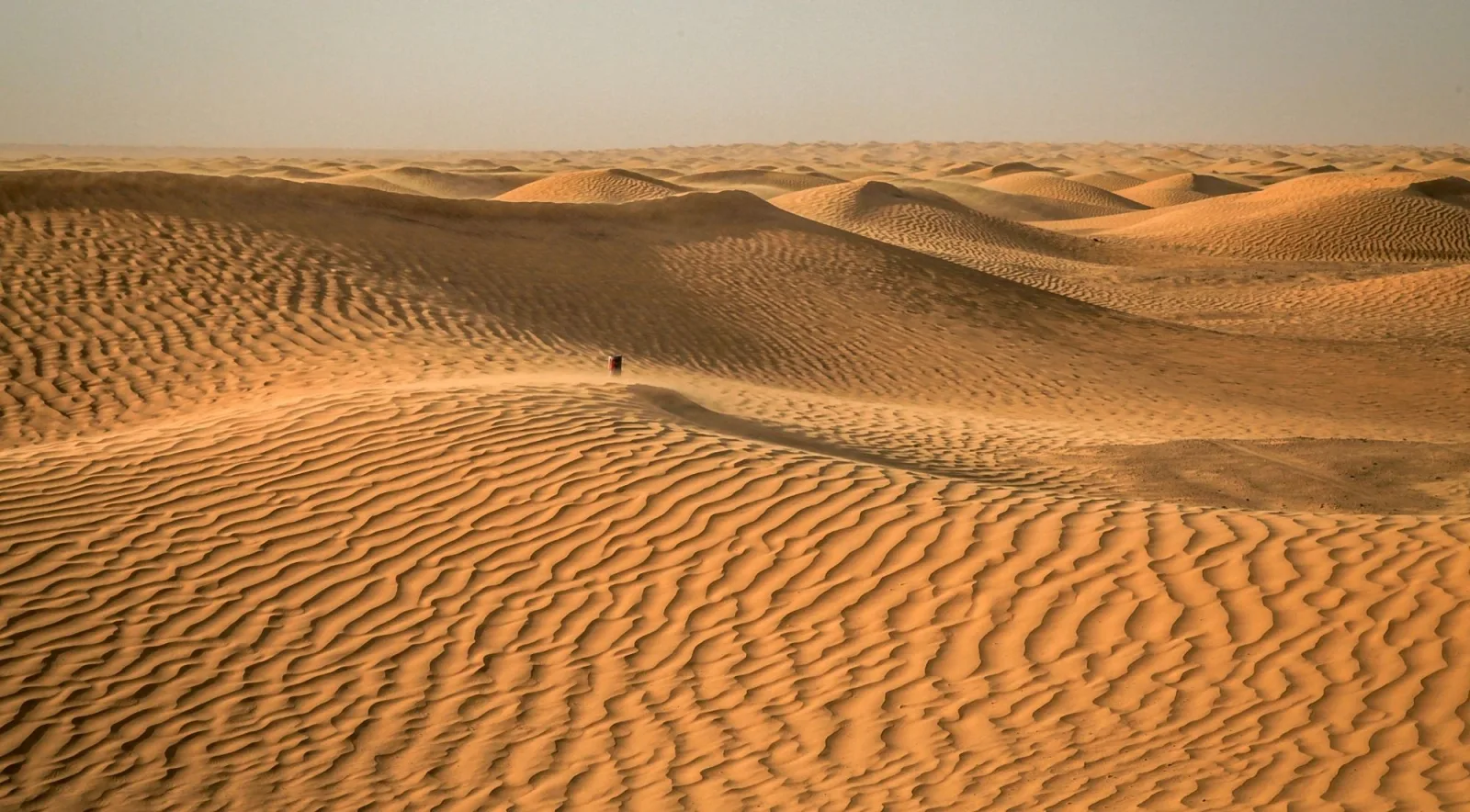
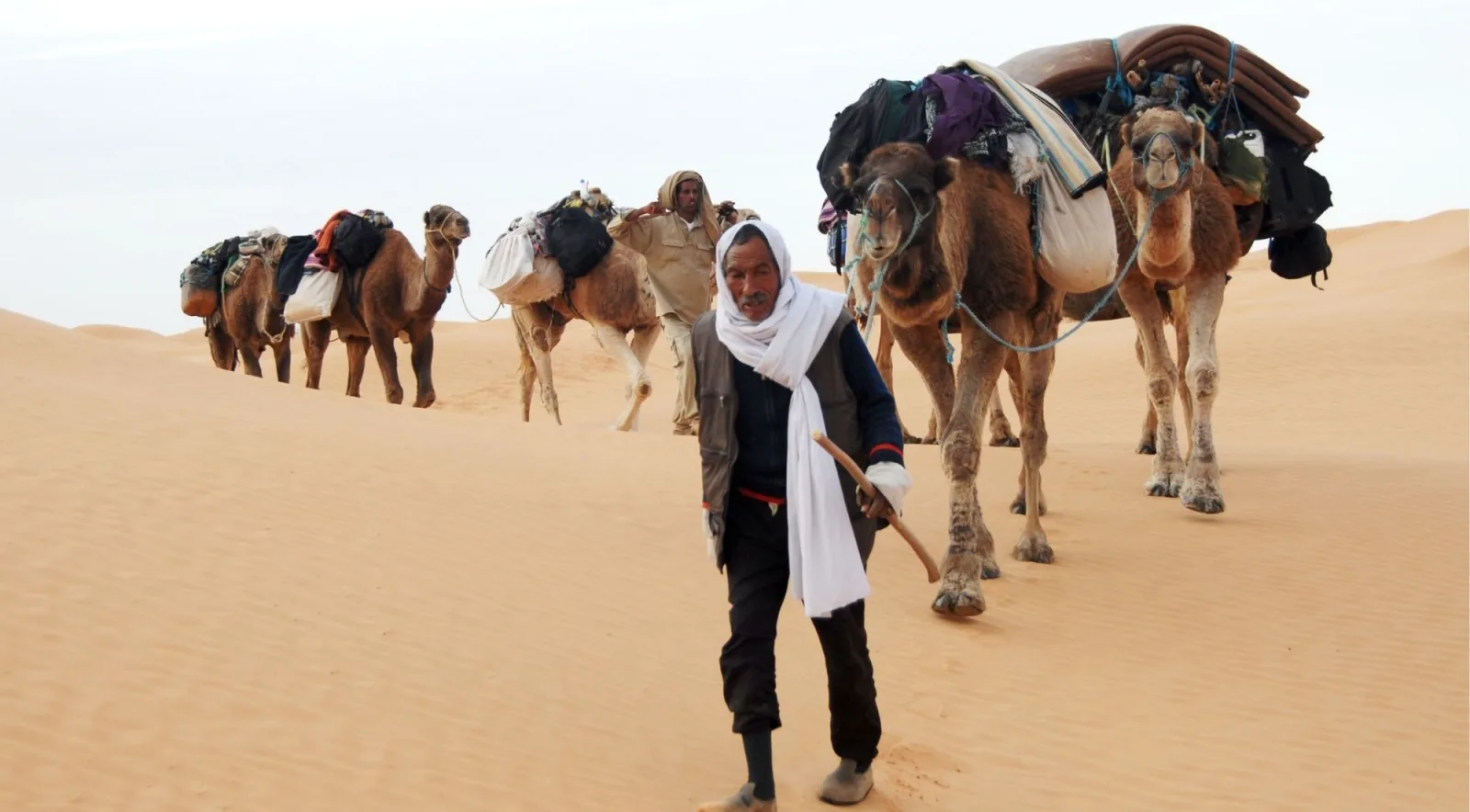
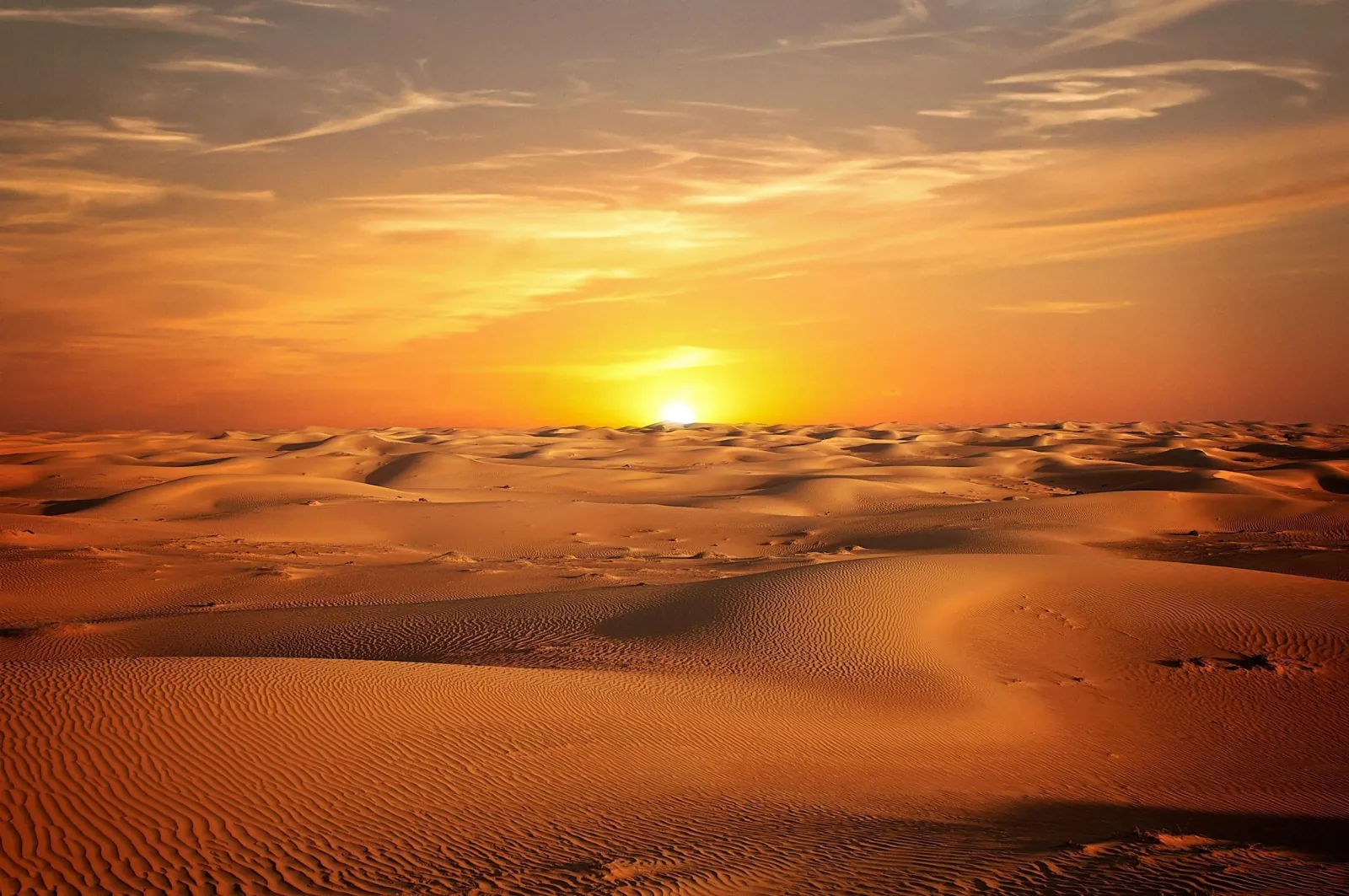
No structures. Guides carry the camp in, pitch it in the dunes for the night, and take it out
again. There is no electricity, no plumbing, and nothing on the horizon. This is what the
best three-day itineraries do on night two, after a serviced camp on night one, and it is the
reason those tours cost what they cost.
The three-day tours page covers the itineraries that include one.
A hotel in Douz or Tozeur
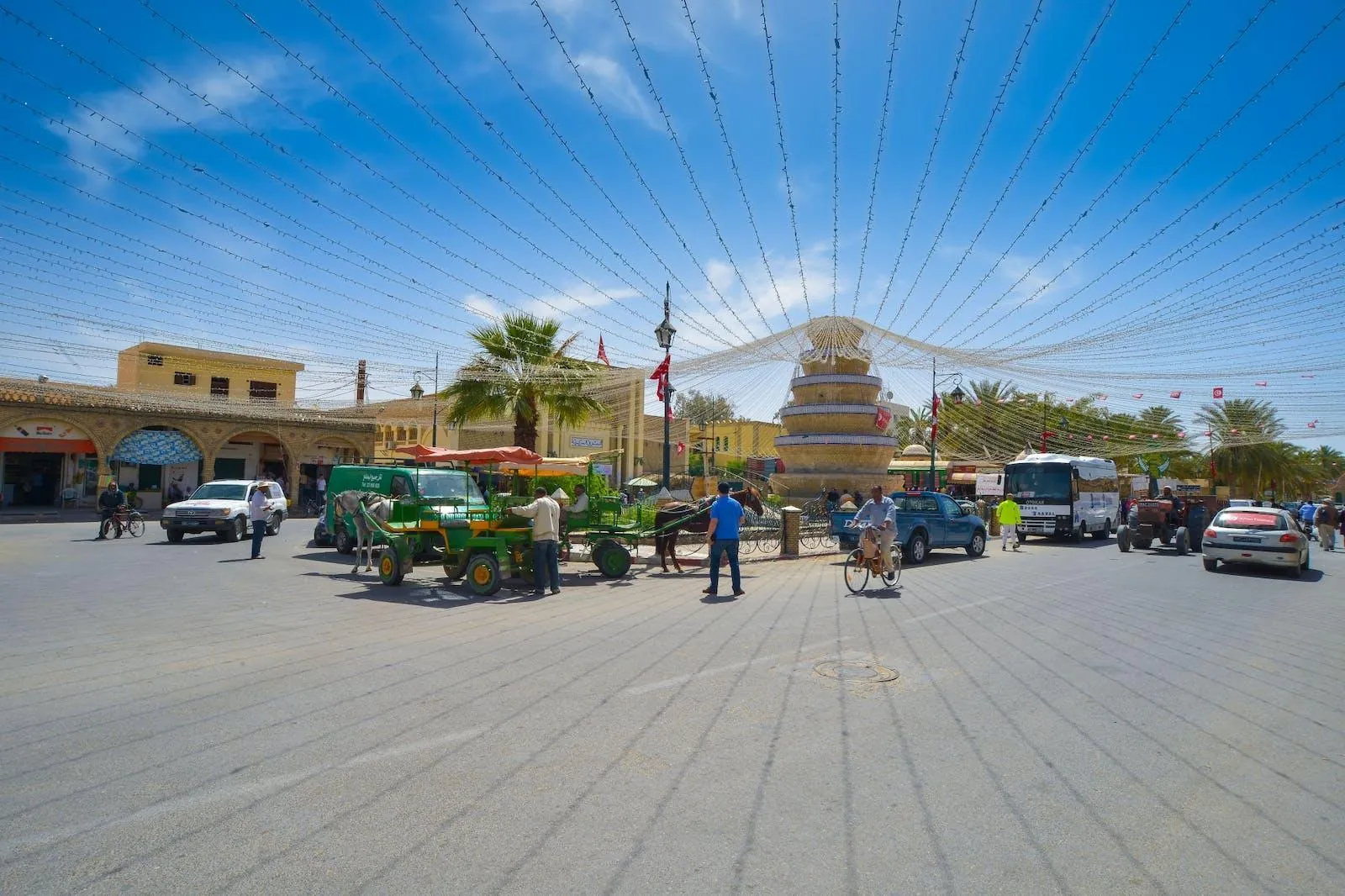
Also sold as “a night in the desert”, and for some travellers it is the right answer — a
proper bathroom, a door that locks, and the sand twenty minutes away in the morning. The TUI
two-day tours from Sousse and
Hammamet work this way.
It is not a lesser tour. It is a different night, and the listings rarely say so plainly.
What to actually expect after dark
Cold. This is the thing that catches people out. From November to March the desert drops
close to freezing after sunset, however warm the afternoon was. Camps provide blankets; they
do not provide clothes. A fleece, long trousers and socks make the difference between a good
night and a long one.
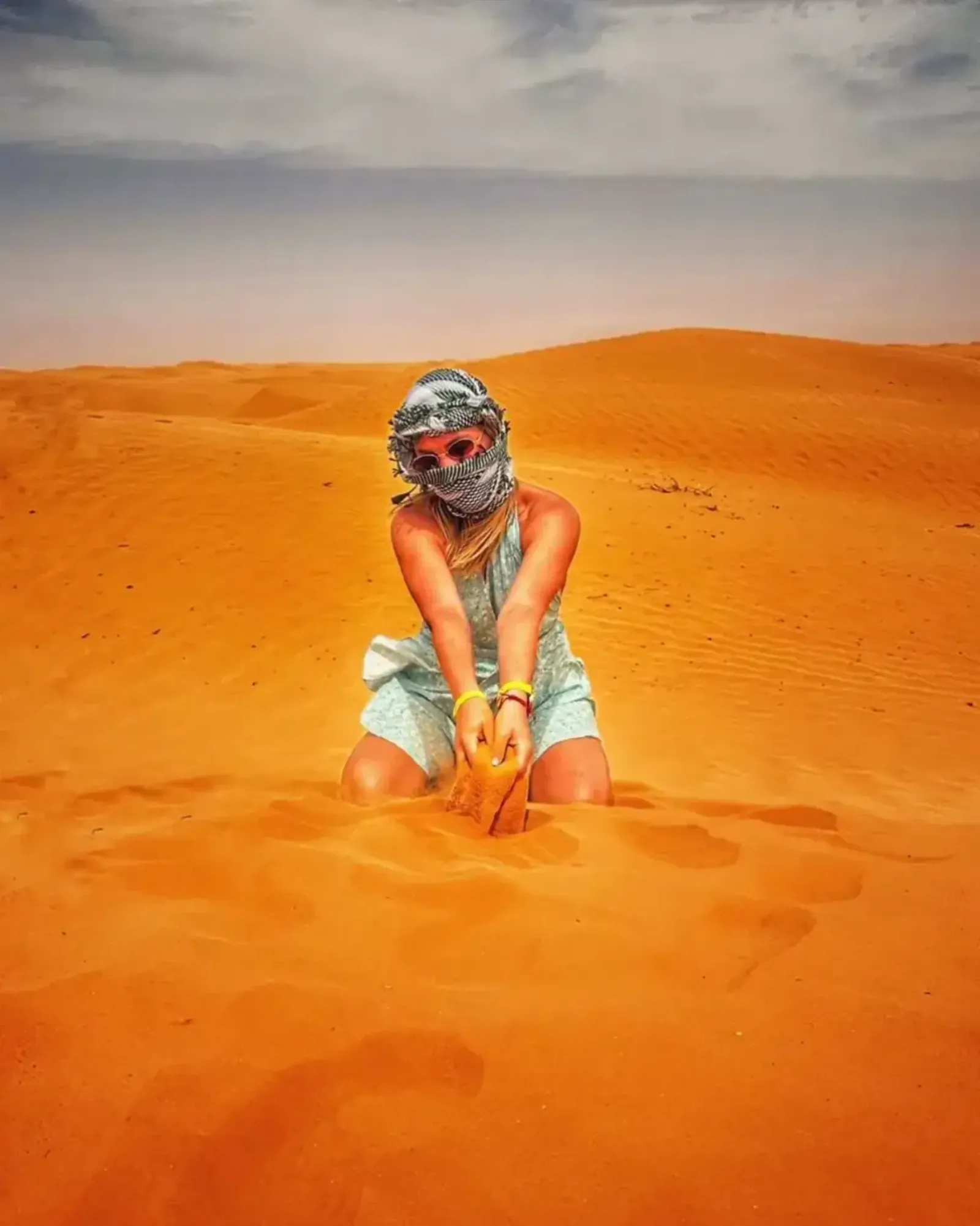
Wind and sand. A light scarf or shesh is genuinely useful, and most camps sell one.
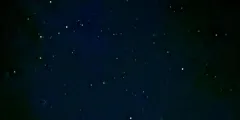
Dark. No light pollution at all — which is why the Milky Way comes up in review after
review. A head torch is worth packing, ideally one with a red mode so you do not blind the
person beside you.
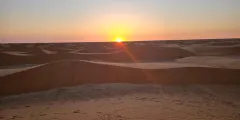
An early alarm. Every camp itinerary wakes you for sunrise. It is not optional, and it is
the right call.
Which camping tour to book
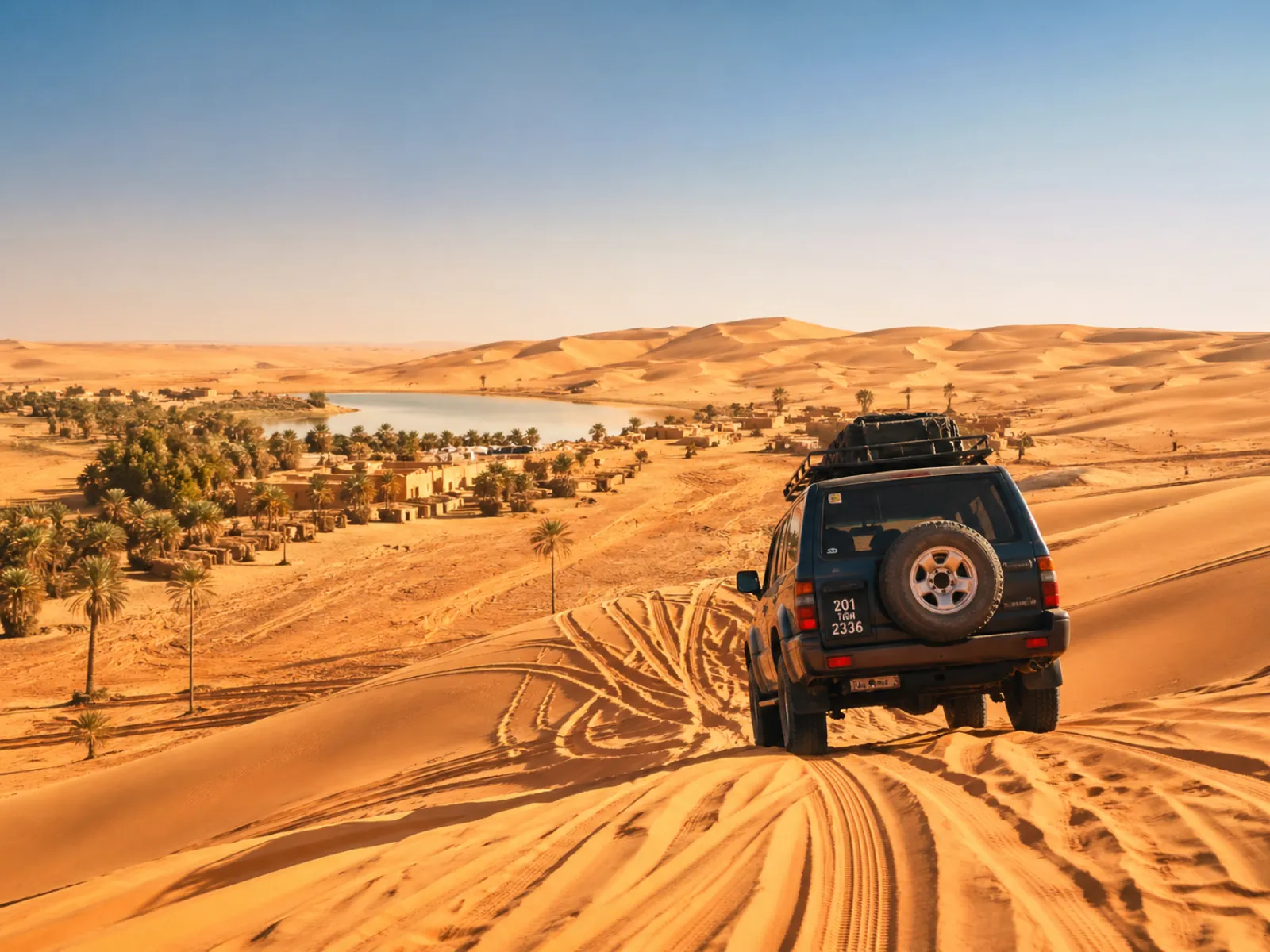
If you are on Djerba, the sunset-and-sunrise 4x4 with a tent night at $144 is the
best-reviewed at 574 ratings, and the two-day 4x4 with a camp night at $48 is the
cheapest way to sleep in the Tunisian Sahara from anywhere.
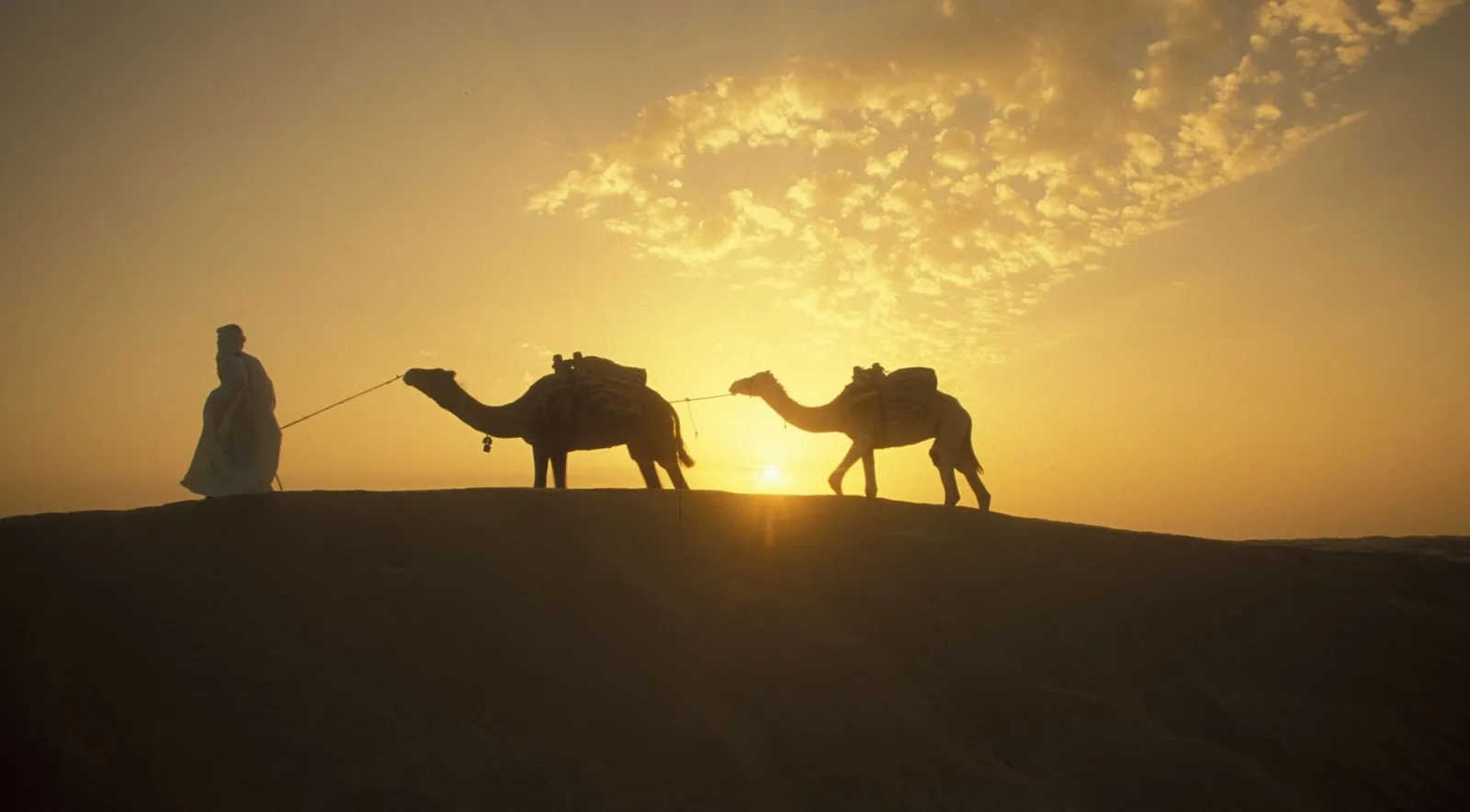
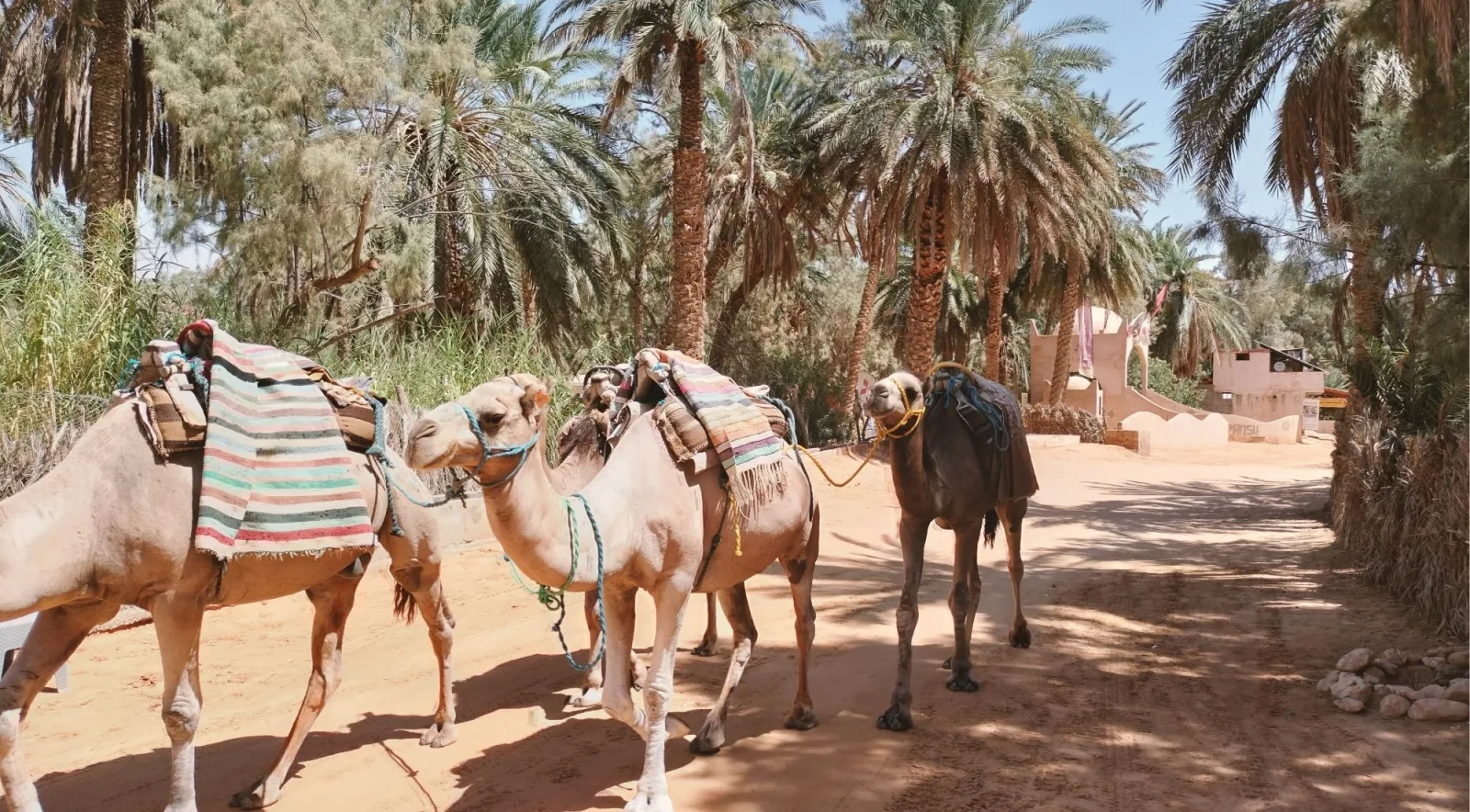
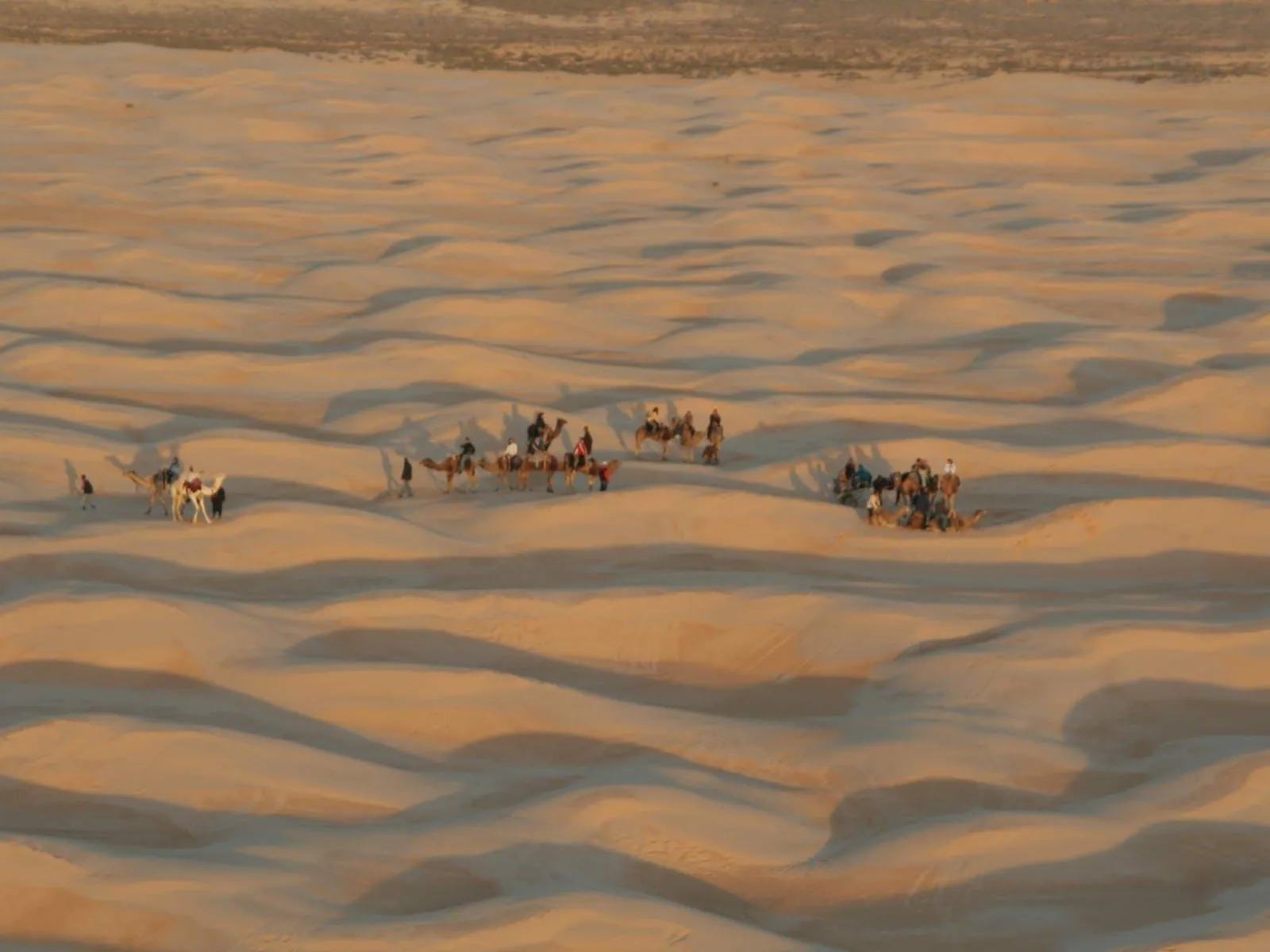
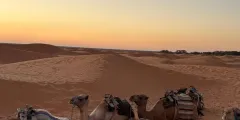
If you are in Douz, the overnight camp with a sunset camel trek out and a sunrise ride
back is the purest version — no transfer at all, because the dunes start at the end of town.
If you are on the northern coast, the Sahara Express at $118 includes a tented camp at
Sabria, and the three-day tours add a bivouac beyond it.